


Workplace Strategy 2026: The Hidden Signals That Shape Your Team’s Success
Walking into an office in 2026 feels different. It goes beyond the absence of assigned desks or the presence of AI-integrated meeting rooms. It concerns the feeling in the air. Employees unconsciously evaluate their workplace every single day. The temperature of a room, the quality of light, the arrangement of furniture – these environmental elements continuously shape mood, cooperation, and performance. Yet leaders often overlook these micro-signals and focus instead on policies, processes, and compensation while the physical environment quietly undermines or amplifies their efforts.
Modern teams want clarity, energy, and belonging. They expect workspaces that support these needs rather than a generic office for rent that feels isolating. Research increasingly confirms what psychologists have understood for decades: environment shapes behavior as powerfully as explicit instruction. Integrating these psychological insights forms the baseline of any effective workplace strategy 2026.
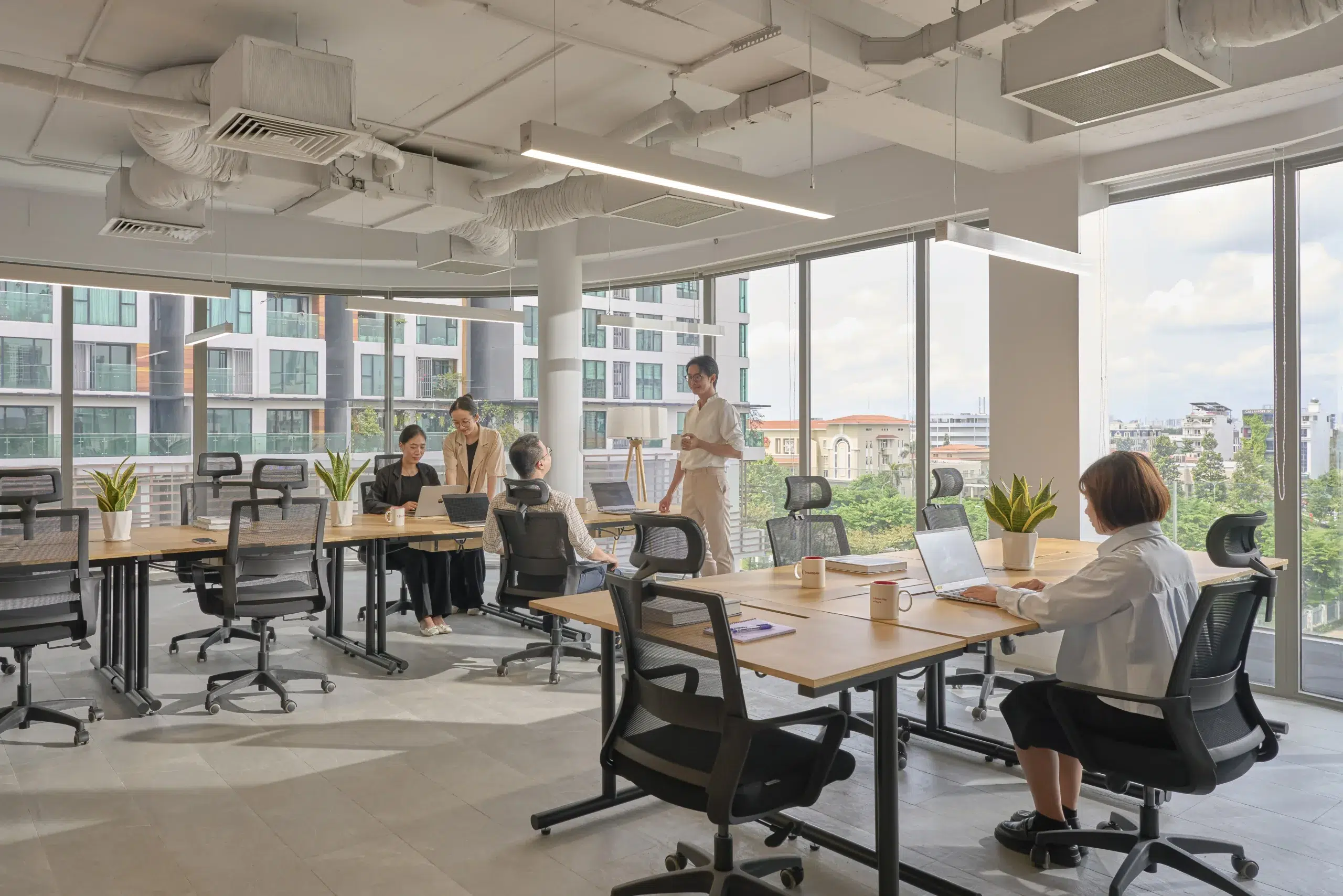
Technology Defines Your Workplace Strategy 2026
For companies navigating hybrid models and competing for talent in Vietnam’s growing tech ecosystem – where investment is projected to grow significantly through 2030 – understanding and leveraging these hidden signals acts as a critical leadership competency.
As organizations solidify their workplace strategy 2026, the integration of technology serves human connection rather than mere efficiency.
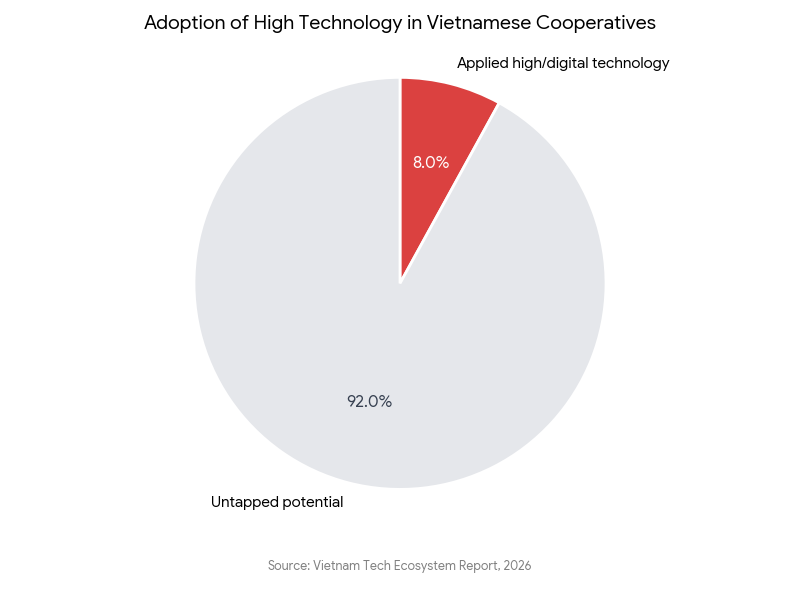
The data reveals a massive opportunity. With 92% of the potential still untapped, forward-thinking organizations move beyond basic digitization to create responsive environments. This shift – often facilitated by a turnkey office solution – allows companies to leapfrog legacy infrastructure and access data-driven insights. It ensures the physical space adapts in real-time, a core requirement of a robust workplace strategy 2026.
Micro-Signals That Influence Performance
Environmental signals operate below conscious awareness yet shape behavior continuously throughout the workday. Specific elements influence team dynamics and must be accounted for in a comprehensive workplace strategy 2026.
1. Light affects focus and energy
Natural light exposure improves mood, alertness, and sleep quality. Studies confirm that personalized work environments boost productivity by up to 28% through factors including adaptive lighting. Conversely, harsh fluorescent lighting or dim spaces increase fatigue and reduce cognitive performance.
According to research published in the Journal of Clinical Sleep Medicine, workers in windowless environments experience 46 minutes less sleep per night on average – directly impacting next-day performance. A thoughtful workplace strategy 2026 prioritizes access to natural light to mitigate this.
2. Layout shapes collaboration patterns
Open layouts increase spontaneous interaction but reduce focus time. Private offices enable deep work but isolate teams. The optimal design provides both – what researchers call activity-based working.
A study in Organizational Behavior and Human Decision Processes found that removing spatial boundaries increased collaboration by 56% but decreased productivity by 32% for complex tasks. This highlights the need for balanced design within your workplace strategy 2026.
3. Sound affects stress and decision-making
Ambient noise above 55 decibels impairs concentration and increases cortisol levels. Conversely, complete silence feels isolating and uncomfortable. Quality acoustic design creates the buzz of productivity without the stress of chaos. Research from Cornell University found that exposure to office noise increases stress hormones by 40% and reduces motivation to complete tasks.
4. Warmth increases trust and cooperation
Physical warmth increases interpersonal warmth. Studies show that people holding warm beverages judge others as more trustworthy and demonstrate more generosity in negotiations. Room temperature between 20-25°C (68-77°F) optimizes cognitive performance while temperatures outside this range reduce productivity and increase errors.
5. Cleanliness signals professionalism and care
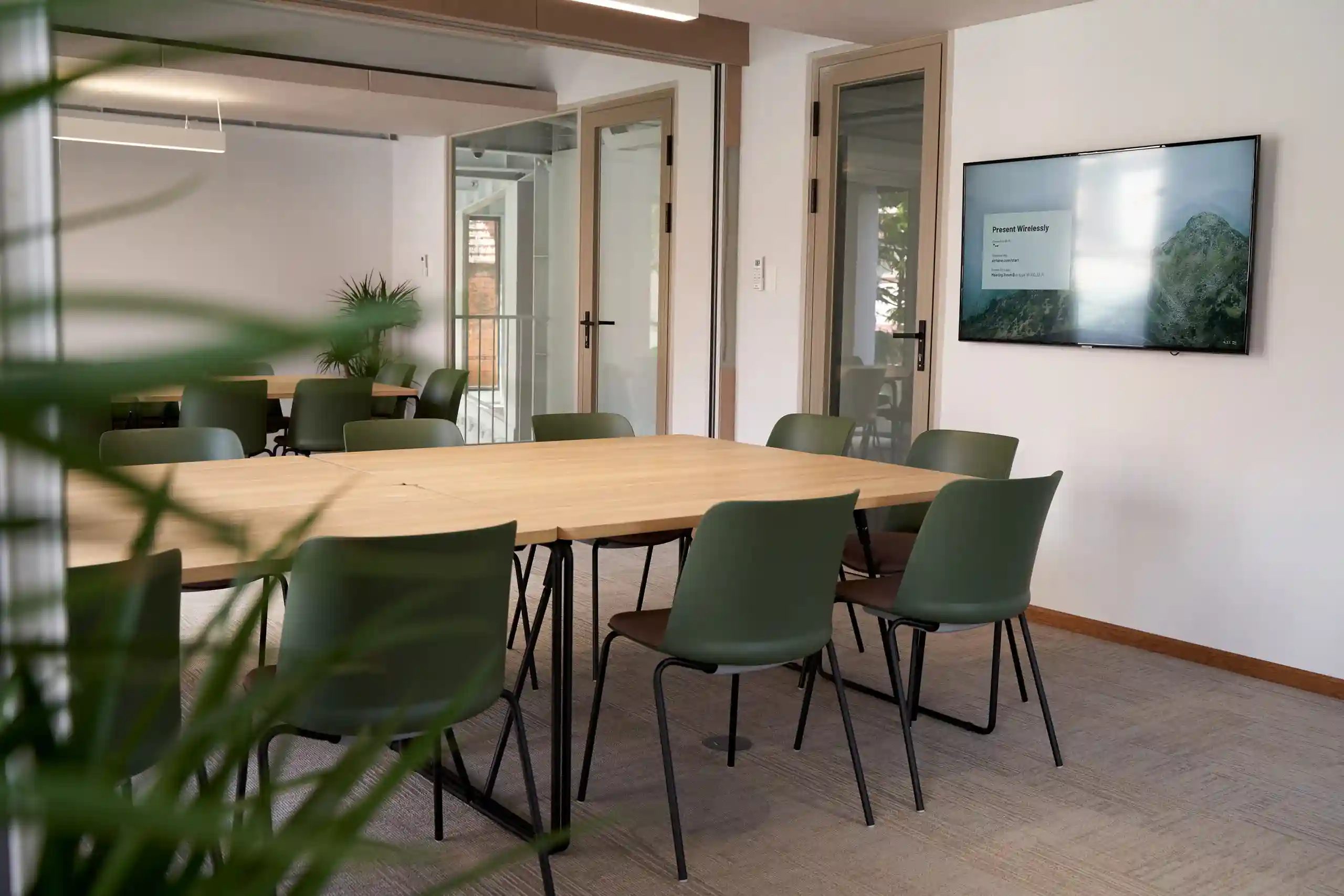
Orderly, well-maintained spaces communicate that leadership values quality and attention to detail. Clutter and disrepair create cognitive load and suggest organizational dysfunction. The visual cortex processes these signals instantly and forms impressions that color every subsequent interaction.
6. Social spaces signal culture and openness
Cafés, lounges, and informal gathering areas communicate that collaboration is valued and that people matter beyond their immediate output. The presence and quality of these spaces shape whether teams build relationships or remain transactional. As explored in Workplaces That Breathe: Boost Productivity & Retain Talent, spaces that support varied interaction types drive both engagement and retention.
These signals operate continuously to shape thousands of micro-decisions daily about effort, collaboration, and emotional investment. A successful workplace strategy 2026 acknowledges and optimizes these inputs.
Why Signals Matter In A Workplace Strategy 2026
Environmental psychology always mattered. However, several contemporary factors amplify its importance dramatically for any leader drafting a workplace strategy 2026.
1. Hybrid work reduces in-person time so each day counts more
When teams gather only 2-3 days per week, the quality of those experiences becomes critical. Poor office environments actively discourage attendance while exceptional spaces become reasons to commute. With 88% of leaders agreeing that flexible working positively impacts retention, the office must deliver genuine value on every visit.
2. People expect hospitality-level comfort
Consumer expectations have risen across every service category. The same person experiencing seamless hotel check-ins and intuitive restaurant reservations expects similar quality at work. Facilities that feel neglected or dysfunctional create negative contrast effects that damage engagement.
3. Burnout rates rise and environment affects wellbeing
Deloitte’s 2024 Gen Z and Millennial Survey found that 39% of Gen Z and 34% of Millennials cite work-life balance as a key factor when choosing an employer. Physical environment directly influences stress levels, recovery capacity, and emotional regulation. Poorly designed spaces compound burnout rather than buffer against it.
4. Younger workforce reads emotional cues quickly
Digital natives possess heightened sensitivity to authenticity and quality signals. They assess whether organizations practice what they preach about caring for people by reading environmental evidence. Generic spaces create cynicism regardless of verbal messaging.
5. Teams demand psychological safety
High-performing teams require environments where vulnerability and experimentation feel safe. Physical space either supports or undermines this. Private conversation areas, acoustic privacy, and varied working zones enable the candid dialogue that innovation requires. Google’s Project Aristotle research confirmed that psychological safety predicts team effectiveness – and physical environment shapes whether this safety develops.
The Office Acts As A Culture Amplifier
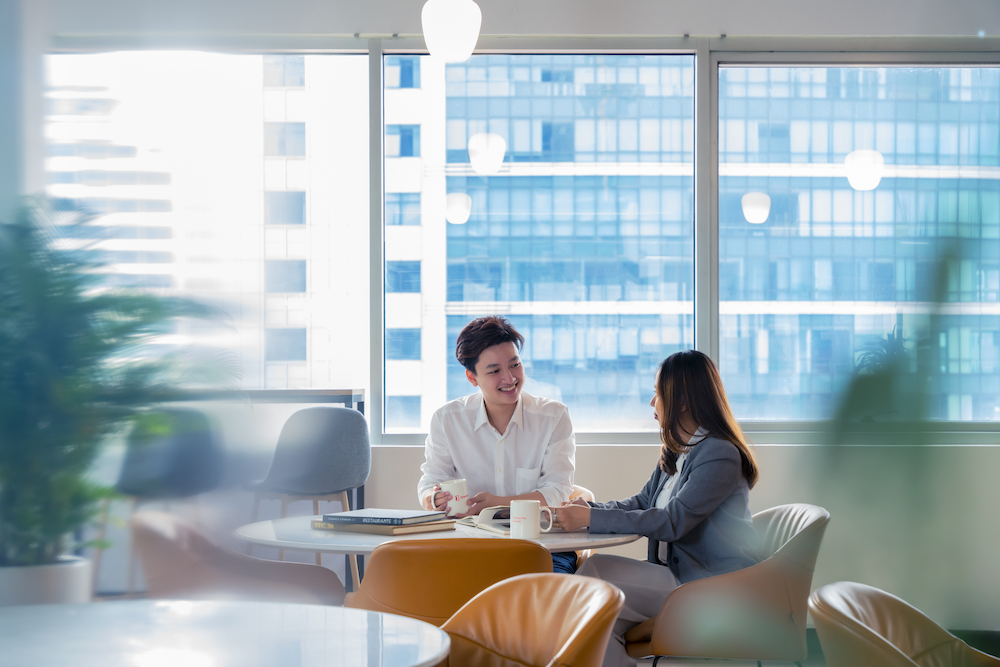
Space does not merely reflect culture – it actively shapes it. Design influences how teams meet, plan, celebrate, and resolve conflicts. A good office reinforces stated values through lived experience.
Layout improvements increase transparency and trust. When leadership sits in glass offices rather than private suites, accessibility increases. When meeting rooms have transparent walls, decision-making feels less opaque. Physical openness communicates organizational openness and builds trust through architecture rather than policy statements alone. This transparency remains a key component of a modern workplace strategy 2026.
Comfort reduces interpersonal conflict. When people feel physically uncomfortable – too hot, too cold, dealing with poor ergonomics – they become irritable and less patient with colleagues. Quality furniture, climate control, and acoustic privacy reduce friction points that have nothing to do with actual work disagreements but create tension nonetheless.
Intentional design boosts meaningful collaboration. Random collisions differ from productive collaboration. Well-designed spaces create natural gathering points near resources like coffee or printers while protecting focus zones from interruption. This balancing act – connection without constant disruption – defines an effective workplace strategy 2026.
Consider the retention impact. Employees who feel valued are 63% less likely to look for new jobs. Flexibility without quality creates a race to the bottom where everyone prefers home. The goal is flexible and compelling.
Research shows that 69% of employees are more likely to stay with a company for three years if they experience great onboarding. The physical environment during those critical first weeks shapes long-term attachment. Companies using premium workspace infrastructure report that new hires frequently cite office quality as validation of their decision to join – environmental proof that the company invests in its people.
As detailed in The 2026 Growth Paradox: Why Smart Capital is Ditching the Lease for the Service, the signals workspace sends extend beyond current employees to influence candidate perception, investor confidence, and partner relationships. The environment operates as a continuous brand broadcast.
Dreamplex Model: Intentional Signals By Design
Dreamplex has engineered its spaces specifically to send positive signals that drive performance, connection, and well-being. Every design choice reflects workplace psychology principles to support your workplace strategy 2026:
- Comfort reduces stress and increases capacity. Ergonomic furniture, adaptive climate control, and acoustic management create baseline comfort that frees cognitive resources for actual work. When people do not fight their environment, they engage more fully with challenges. The workspace partner’s hospitality-trained teams continuously optimize these variables and treat workspace as a service rather than a static asset.
- Connection increases meaningful interaction. Varied social spaces – from coworking areas to private lounges to event spaces – support different interaction types. Casual coffee conversations happen differently from structured brainstorms. Providing appropriate settings for each interaction type increases the quality and frequency of collaboration.
- Innovation energizes creativity and experimentation. Refreshed environments, rotating art installations, and evolving workspace configurations signal that change is normal and valued. This environmental messaging supports the psychological flexibility that innovation requires. Teams working in static spaces unconsciously internalize that stasis – creative thinking suffers accordingly.
- Hospitality integrates with workplace psychology. Dreamplex premium office for rent solutions combine functional design with service excellence. On-site community managers function as environmental orchestrators and continuously tune conditions based on observed patterns and feedback. This active management transforms space from a passive backdrop to a performance enabler.
- Creative spaces support diverse work modes. Focus zones with acoustic privacy and individual ergonomics support concentration. Collaboration zones with flexible furniture and writable surfaces invite brainstorming. Reset areas with comfortable seating and natural elements enable recovery between intense efforts. This variety matches the actual rhythm of knowledge work rather than imposing a single mode.

Shaping the success of your office
Dreamplex provides environments built for human performance rather than just occupancy. This distinction matters. Conventional offices optimize for density and cost per square meter. Performance-oriented spaces optimize for the behaviors that drive business results – focus, collaboration, innovation, and well-being.
Decision factor | Traditional Office | Flexible Office (Serviced Office) |
Investment Cost (CAPEX) | Very high (Construction, furniture, long deposit) | Zero (Rent only) |
Setup Time | 3 – 6 months | Immediate move-in |
Legal/Admin Support | Completely self-managed | Available (Reception, Mail, IT Support) |
Flexibility | Low (3-5 year contract) | High (Monthly/Yearly, easy expansion) |
Hospitality Experience | None | 5-star hotel standard |
People Also Ask these questions related to Workplace Strategy 2026
Sustainable office solutions – how do they impact 2026 strategy?
Sustainable office solutions act as core components of a workplace strategy 2026 rather than optional add-ons. Features like adaptive lighting, biophilic design, and energy-efficient climate control directly correlate with higher employee retention and lower burnout rates while meeting increasingly strict ESG reporting requirements for modern businesses.
What is the ideal Hybrid working office layout for high-growth teams?
The ideal layout moves away from rows of desks to Activity-Based Working zones. It must include acoustic-proof pods for deep focus, transparent meeting rooms for trust-building, and social lounges for spontaneous collision. This balance ensures the office remains a destination for connection rather than just a place to plug in a laptop.
CAPEX vs OPEX office rental comparison – which is better for 2026?
In the volatile 2026 market, OPEX models (serviced offices) generally outperform CAPEX models (traditional leases). A CAPEX approach locks capital into depreciation and rigid 5-year terms. An OPEX model offers agility, zero upfront fit-out costs, and the ability to scale space up or down as team size fluctuates to preserve cash flow for growth.
How do workplace strategy trends 2026 influence talent retention?
Trends for 2026 focus heavily on hospitality-level comfort and psychological safety. Talented professionals, especially Gen Z, interpret workspace quality as a signal of how much a company values them. Premium amenities, seamless technology, and well-designed social spaces act as powerful tools to reduce turnover and foster genuine belonging.
Conclusion
For leadership teams in Vietnam’s tech ecosystem navigating hypergrowth while managing retention challenges, environmental strategy has moved from a facilities decision to a competitive necessity. The hidden signals are not hidden anymore – they serve as the visible difference between companies that retain talent and those that constantly rebuild teams. Integrating these cues into your workplace strategy 2026 ensures your environment works as hard as your people.
Ready to Scale Your Business for 2026?
- Book a Tour → Experience how Dreamplex helps enterprises reduce cost per employee while enhancing daily performance.
- Join Our Leadership Roundtable → “AI Teams, Human Workplaces: The New Balancing Act.” Learn how Vietnam’s top leaders are designing offices that scale with technology — and still put people first
Contact Dreamplex for a free consultation and explore special offers this month:
- Hotline: +84 706 023 545
- Email: sales@dreamplex.co
Dreamplex – Creating workspace that grows with your business
Private when you need focus. Open when you need energy. Human, always.
We create “A Better Day at Work” that perfectly meets the needs of fast-growing companies that understand that their young employees expect more from their workplace.
Well-designed private, branded offices, 5-star hospitality-level care, and a savvy c help those companies attract, engage, and retain Millennial and GenZ talent in Vietnam.
Dreamplex has 5 locations in Ho Chi Minh City, 1 in Hanoi, and looks to expand further in 2026 to create a better workplace for even more people-centric companies and their employees. Companies like Tiki, AIA, Sky Mavis, Samsung, and more trusted Dreamplex to offer the best office for their teams.
WE CREATE A BETTER DAY AT WORK.
