


The 2026 Office Watch: Why Environment Drives Career Growth
The corner office is dead. Long live the experience economy. In the high-stakes chess game of talent retention, the battlefield has shifted from the payroll department to the physical environment. For the modern C-suite, this poses a provocative new question: Is your office merely a fixed asset on the balance sheet, or is it an active engine for career growth?
As we navigate toward 2026, the data is unequivocal. We are witnessing a fundamental decoupling of “work” from “place.” Professionals aren’t just leaving bad managers; they are fleeing environments that stifle their potential. The beige cubicle farm isn’t just outdated aesthetics — it is a productivity killer.
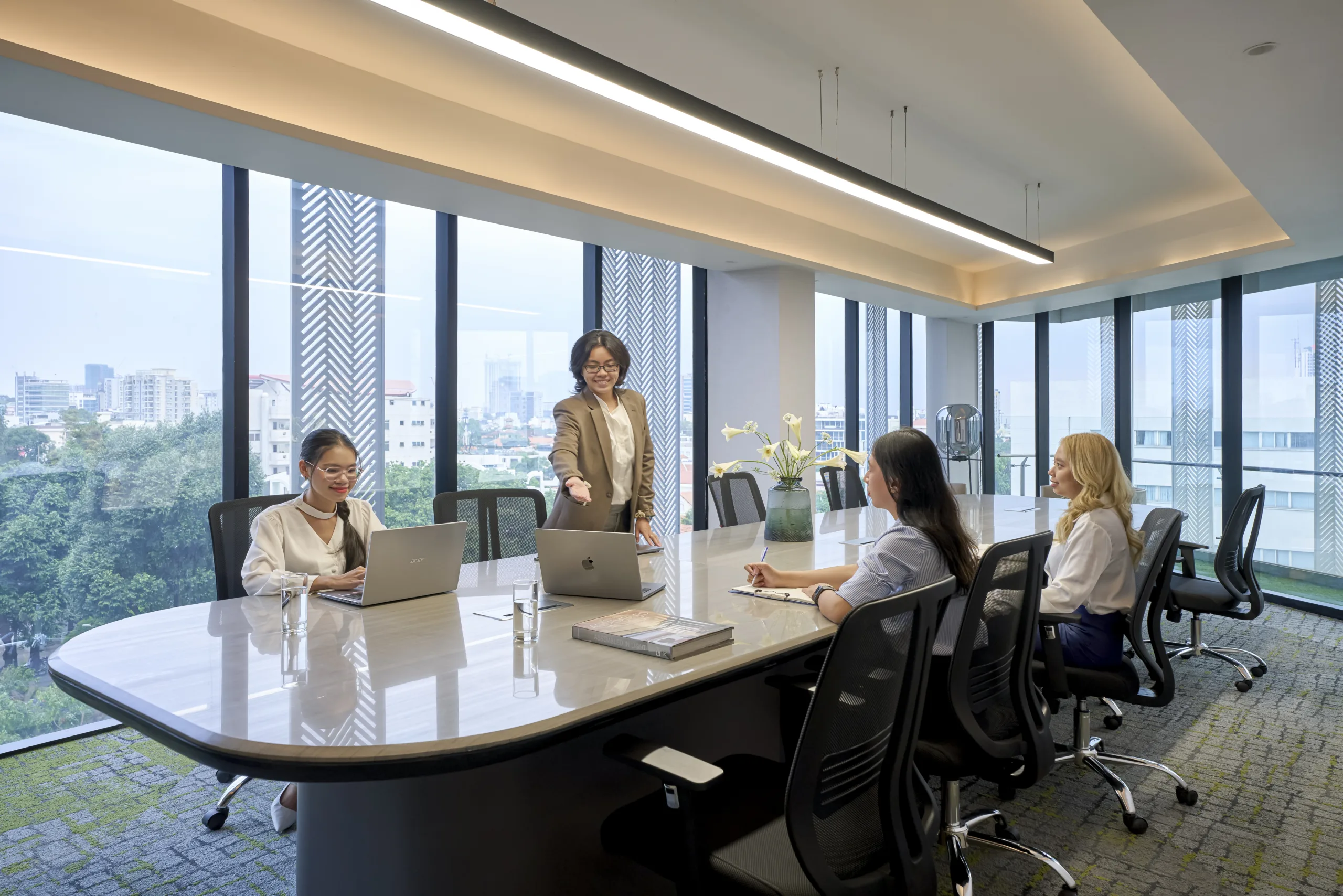
Success Looks Different in 2026
Today’s top performers – in tech, marketing, operations, and finance – have rewritten the rules of engagement. The “hustle culture” narrative of the early 2010s, defined by late nights and endless caffeine, has been replaced by a focus on sustainable, high-impact output.
These professionals are no longer just working hard; they are working smart, in environments that support clarity, focus, and well-being. The chasm between professionals who thrive and those who burnout often has less to do with individual grit and more to do with the systems around them, how everything is set up to accelerate career growth.
Research indicates that engaged employees are 23% more profitable, and the gap between high performers and the rest is widening. But what fuels this engagement? What allows a Country Manager to steer a market expansion while maintaining mental clarity? What enables a creative team to ship a campaign without hitting the wall?
The answer increasingly points to the environment. Thriving professionals are shaped by the systems, spaces, and structures around them – and they actively seek out conditions that amplify their strengths rather than drain their resources. When analyzing the ROI of career growth, leaders are finding that the right environment is the ultimate multiplier.
Drivers of Change: Why People Thrive in the Right Environment
Modern professionals succeed when they have the right conditions. In the context of a serviced office or flexible workspace, these aren’t luxuries; they are operational necessities for sustained high performance and career growth.
Healthy Work-Life Boundaries
The blurred lines of the home office have created a new craving for separation. Remote and flexible work arrangements increase employee productivity by 25%, largely because they enable people to structure their days around peak energy. However, flexibility is a double-edged sword. It only works when supported by clear boundaries. A professional office space acts as a psychological trigger: when you walk in, you are there to perform; when you leave, you disconnect.
High-Quality Workspace Design
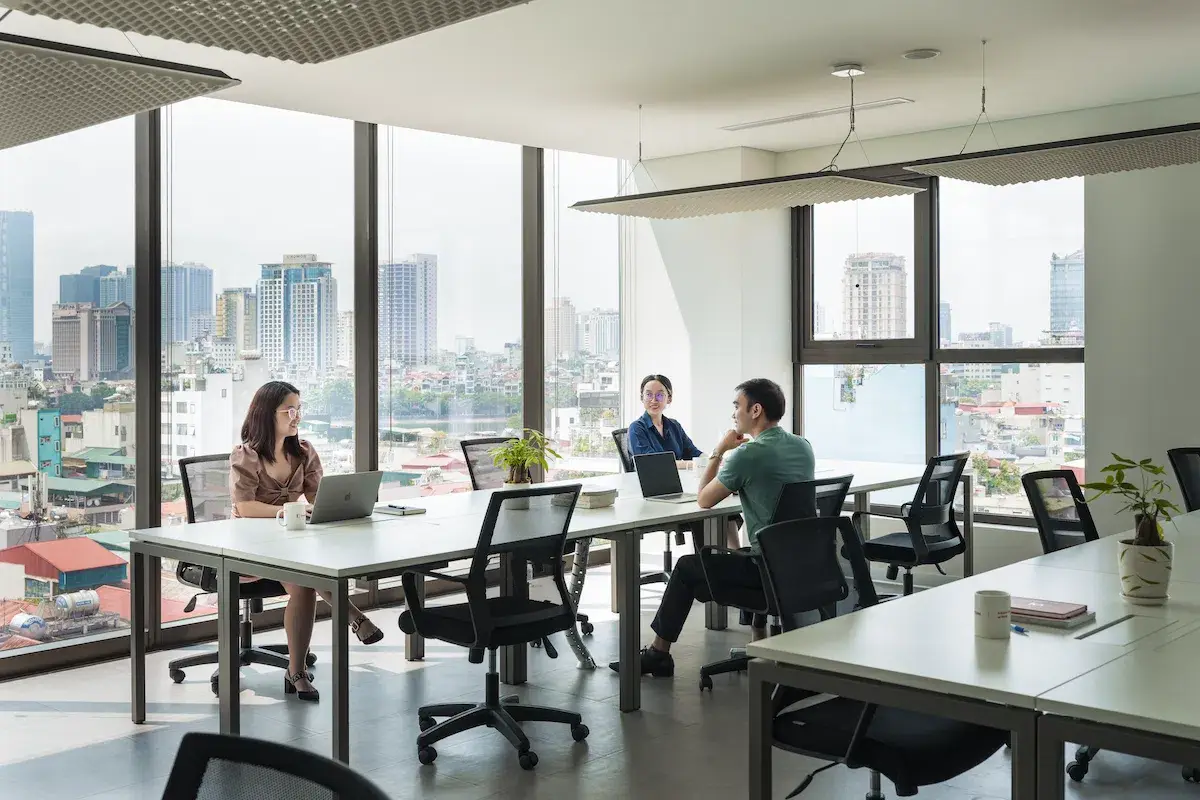
The physical environment matters profoundly. It is not about having a ping-pong table; it is about cognitive load. Access to natural light improves overall happiness and wellbeing by 78%, work satisfaction by 73%, and work performance by 70%. These aren’t minor incremental gains – they fundamentally change the daily experience of work.
- Overall happiness & wellbeing: +78%
- Work satisfaction: +73%
- Work performance: +70%
- Reduction in eyestrain: 51%
- Reduction in headaches: 63%
- Reduction in drowsiness: 56%
Impact of natural light on workforce health – Internal Dreamplex Research & Industry Benchmarks (2025)
Tools for Hybrid Collaboration
The workday has evolved significantly. The average workday is now 36 minutes shorter but 2% more productive, suggesting that efficiency comes from better tools and clearer workflows, not longer hours. Thriving professionals leverage technology that reduces friction. They demand a flexible workspace where the video conference starts with one touch, the wifi never drops, and the acoustics prevent echo.
Access to Community and Learning
Isolation is the silent killer of career momentum. Employees who feel their company offers positive learning opportunities are 21% less likely to have left their organization in the past 3 years. High performers gravitate toward environments where talent development is visible and accessible – not something promised in distant training programs, but found in hallway conversations with peers from other industries.
A Workspace That Reduces Stress
Workplace stress costs employers approximately $182 billion annually, and work overload decreases productivity. Thriving professionals intuitively avoid environments that create unnecessary friction – the printer that doesn’t work, the meeting room that is double-booked – and actively seek spaces that support rather than hinder their work.
People don’t thrive by accident; they thrive by design. The connection between workspace quality and talent retention, as explored in How to Turn Your Office Into a Talent Magnet, isn’t coincidental. Top performers choose environments that set them up for success.
The Shared Behaviors of Thriving Professionals
Observing high performers across industries reveals consistent patterns in how they approach their work environment. They treat their workspace not as a container, but as a tool.
They Seek Spaces That Energize Them
Rather than accepting whatever workspace they’re assigned, thriving professionals actively pursue environments that boost their energy. They understand that environment shapes mood, and mood shapes output. They look for the “buzz” of a lobby for networking, and the library-like silence of a private nook for deep thinking.
They Choose Environments That Reduce Friction
Every minute spent searching for information, waiting for technology, or navigating physical discomfort is a minute not spent on meaningful work. 85% of employees unproductively spend up to two hours searching for work-related information. High performers minimize this waste by choosing well-organized, well-resourced environments. They prefer a serviced office model because the operational burden is outsourced, leaving them free to execute.
They Prefer Collaboration That is Spontaneous and Easy
The best ideas often emerge from unplanned conversations – the “water cooler moments” that Zoom cannot replicate. Thriving professionals value spaces where they can easily connect with colleagues without scheduling friction or physical barriers. They know that a casual chat in a lounge often solves problems faster than a formal meeting.
They Value Wellness and Mental Health
Understanding that sustainable performance requires recovery, high performers prioritize environments that support wellbeing. This goes beyond a yoga mat in the corner. It is about air quality, ergonomic support, and lighting. Employees with access to windows and natural light sleep an average of 46 minutes more per night, a significant factor in sustained high performance.
The Wellness ROI: Sleep & Productivity (source: Environmental Psychology Research (2025)
- Access to windows/light: +46 mins sleep/night
- Natural landscape views: -11 sick leave hours/year
- Proximity to greenery: +15% wellbeing & creativity
They Gravitate Toward Workplaces with Positive Energy
Culture is tangible. Thriving professionals can sense whether an environment will lift them up or wear them down, and they vote with their feet. This connects directly to the principles discussed in Why Investors Trust Companies with Strong Workspaces. The same environmental factors that build investor confidence also attract and retain top talent.
These behaviors correlate with higher performance and lower burnout. High performers don’t just work differently – they choose differently.
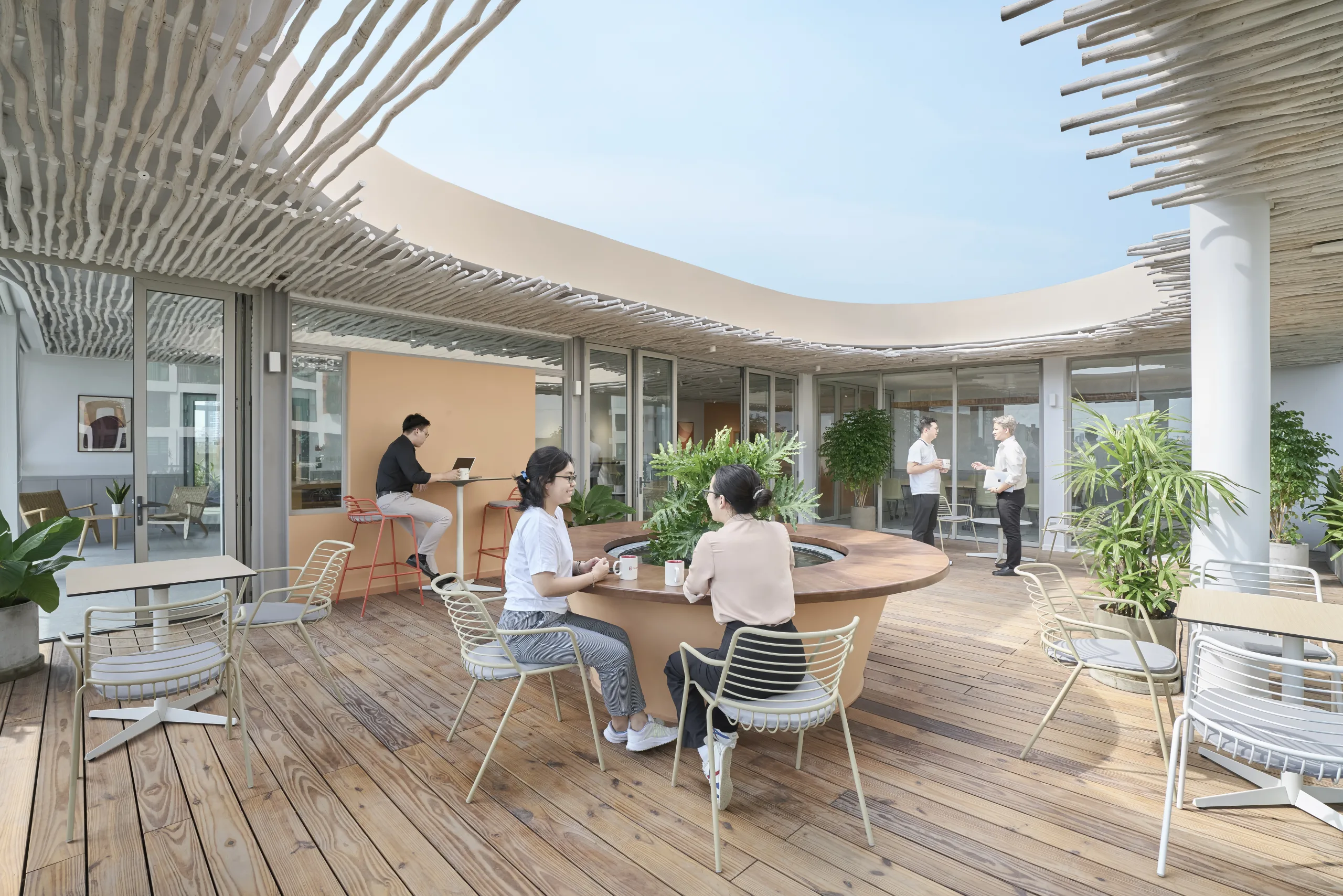
The Role of Workspace in High Performance
A strong workspace doesn’t just house work – it actively supports it. The physical environment creates the conditions for excellence.
Quiet Focus Zones: The Deep Work Sanctuary
Interruptions are the enemy of deep work. The average employee is interrupted every three minutes, and it takes 23 minutes to refocus on their prior task. Thriving professionals seek environments with dedicated focus areas where concentration is protected, not disrupted. This ability to disconnect from the noise is often the differentiator between a good project and a great one.
Collaborative Meeting Rooms: The Deal Closers
Quality matters. Poorly equipped meeting rooms signal operational weakness and waste time. Professional, well-designed meeting spaces communicate respect for people’s time and enable productive collaboration. Whether pitching a client or aligning a team, the room itself sets the tone. As detailed in Inside a Premium Workplace: What People Really Notice, these details shape perception and performance.
Natural Light and Ergonomic Furniture: The Biological Baseline
The physical experience of work shapes everything else. Research shows that proximity to natural elements like sunlight and greenery is associated with a 15% increase in wellbeing and creativity, as well as 6% higher productivity. Employees with views of natural landscapes take an average of 11 fewer sick leave hours per year. It is difficult to negotiate a complex contract when you are physically uncomfortable.
Access to a Supportive Community: The Network Effect
Professional growth happens through connection. Workspaces that facilitate networking, learning, and collaboration become force multipliers for individual careers. In a dynamic coworking space, a chance encounter at the coffee bar can lead to a partnership, a new hire, or a breakthrough idea.
A Consistent Sense of Professionalism and Growth
The best workspaces signal possibility. They communicate that the organization is serious, well-resourced, and investing in the future. This psychological boost affects daily motivation and long-term commitment. Teams in these environments produce better work with less effort. The workspace becomes an invisible performance multiplier.
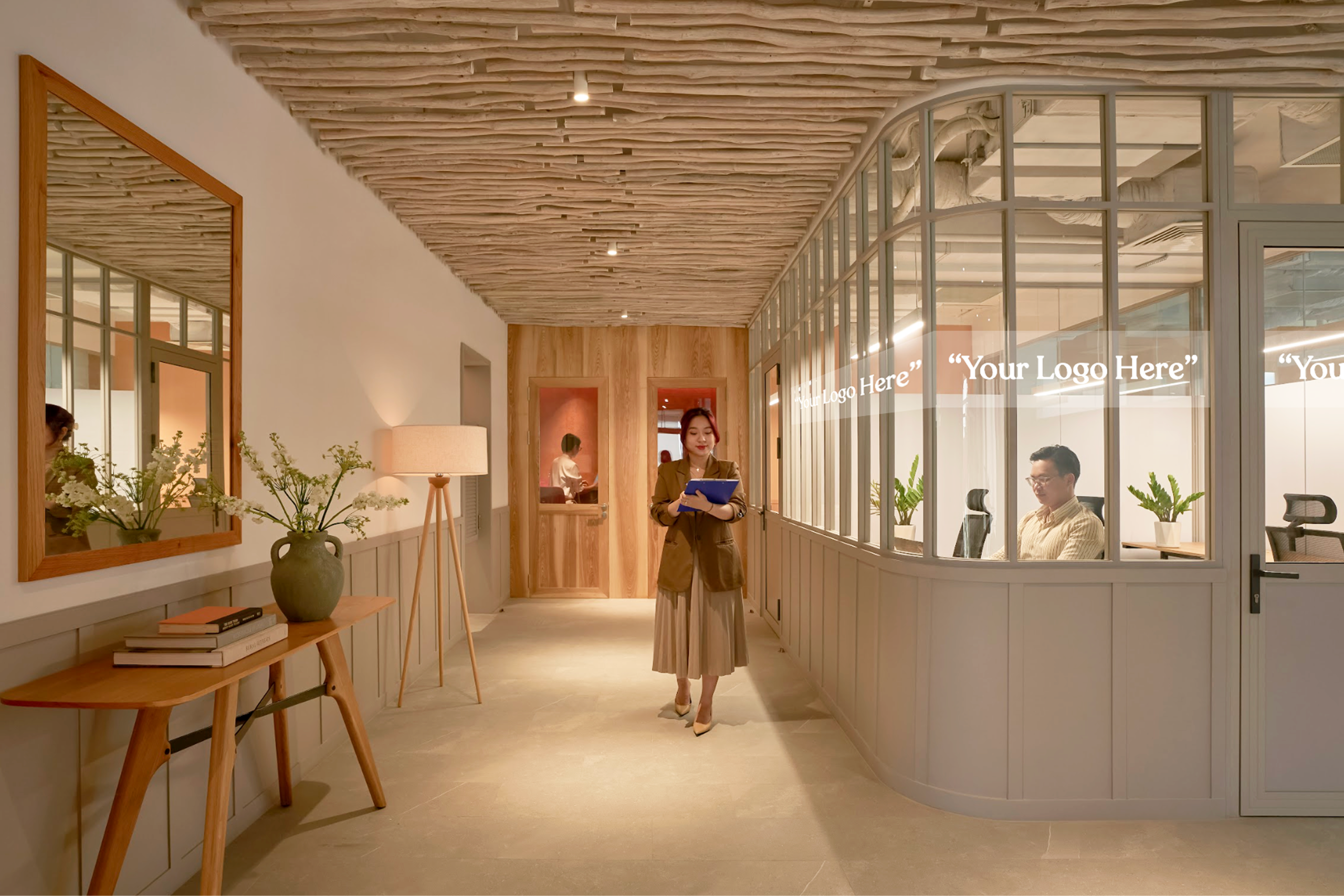
The Dreamplex Model: Environments Where People Thrive
At Dreamplex, we’ve intentionally designed our spaces around the conditions that enable professionals to reach their peak potential. This isn’t about amenities for their own sake – it’s about creating the optimal conditions for sustained high performance. We bridge the gap between the rigid traditional office and the chaotic coffee shop.
- Productivity-first design: Our spaces prioritize physical and mental well-being through natural light optimization, ergonomic furniture, breakout areas, and wellness rooms. We understand that comfort isn’t a luxury – it’s a productivity driver.
- Community events: Thriving professionals don’t work in isolation. Our regular workshops, networking events, and learning sessions create opportunities for connection and career growth that accelerate development.
- Always ready infrastructure: We eliminate the friction that wastes time and energy. From reliable IT systems to professional meeting rooms to reception support, everything works seamlessly so teams can focus on what matters.
- Hybrid-ready technology: Modern work requires modern tools. Our spaces support flexible workflows with tech-enabled meeting rooms, collaboration tools, and infrastructure designed for how people actually work today.
- Inspiring, Energizing Atmospheres: We’ve designed our spaces to create positive energy. From the reception area to private offices to community spaces, every element reinforces that this is a place where excellent work happens.
The Right Choice for Modern Leadership
For the C-suite, the decision to shift to a flexible model is strategic. It moves the conversation from “cost per square meter” to “value per employee.”
Country Managers and CEOs recognize that a prestigious, central address is no longer just about vanity – it’s about signaling stability to investors and “global HQ” standards to talent. By moving from heavy CAPEX to a flexible office for rent model, capital is freed up to invest in the core business, not concrete. They gain agility in a volatile market without sacrificing the brand image required to close high-value deals.
HR Leaders understand that the war for talent is won on the battleground of Employee Experience (EX). A serviced office that handles the “boring stuff” – wifi, cleaning, coffee, security – allows HR to focus on culture and retention. When the environment actively supports career growth through community and wellness, retention rates naturally climb. It transforms the office from an obligation into a destination.
Business owners need immediate credibility. The ability to scale up or down without penalty means agility. For the founder, a professional environment validates their vision to clients and partners instantly, removing the “garage startup” stigma while keeping cash flow healthy.
Thriving teams are built in thriving spaces. The connection between workspace quality and professional success becomes clear when you experience an environment designed with clear intention.
People Also Ask about how workplace impacts working efficiency
How does workspace environment affect career growth?
A supportive workspace accelerates career growth by reducing friction and burnout. Environments designed with natural light, dedicated focus zones, and networking opportunities allow professionals to maintain higher productivity levels. Furthermore, access to a broader community fosters mentorship and skill acquisition, leading to faster promotion cycles.
What is the ROI of a flexible office for talent retention?
Flexible offices significantly boost talent retention by offering the amenities and community that modern workers demand without the CAPEX of traditional leases. Research shows engaged employees in high-quality environments are 23% more profitable and less likely to leave, turning the office cost into an investment in stability.
Why are thriving professionals choosing serviced offices?
Top talent prefers serviced office environments because they eliminate operational hassles and boost career growth. Features like reliable IT, ergonomic design, and wellness rooms allow high performers to focus strictly on high-value work rather than administrative logistics. It signals that their time is valued.
How does natural light impact employee productivity?
Access to natural light is a critical factor for performance. Studies show it improves wellbeing by 78% and productivity by 70%, while increasing sleep duration by 46 minutes per night. This biological boost directly correlates to better decision-making and sustained career growth.
Create a Workspace That Strengthens Team Spirit
The professionals who will define the next decade of innovation and growth are already seeking out environments that support their ambitions. They’re choosing workspaces that energize rather than drain, that facilitate rather than frustrate, and that signal possibility rather than limitation.
Your workspace can be a strategic advantage or a strategic weakness. The choice is yours.
Ready to accelerate your own and your team’s growth?
- Book a Tour → Experience how Dreamplex helps enterprises reduce cost per employee while enhancing daily performance.
- Join Our Leadership Roundtable → “AI Teams, Human Workplaces: The New Balancing Act.” Learn how Vietnam’s top leaders are designing offices that scale with technology — and still put people first.
Contact Dreamplex for a free consultation and explore special offers:
- Hotline: +84 706 023 545
- Email: sales@dreamplex.co
Dreamplex – Creating workspace that grows with your business
Private when you need focus. Open when you need energy. Human, always.
We create “A Better Day at Work” that perfectly meets the needs of fast-growing companies that understand that their young employees expect more from their workplace.
Well-designed private, branded offices, 5-star hospitality-level care, and a savvy c help those companies attract, engage, and retain Millennial and GenZ talent in Vietnam.
Dreamplex has 5 locations in Ho Chi Minh City, 1 in Hanoi, and looks to expand further in 2026 to create a better workplace for even more people-centric companies and their employees. Companies like Tiki, AIA, Sky Mavis, Samsung, and more trusted Dreamplex to offer the best office for their teams.
WE CREATE A BETTER DAY AT WORK.

