


Funding 2026: Why Investors Trust Companies with Strong Workspaces
In the high-stakes chess game of capital allocation, the rules of engagement have fundamentally shifted. The “growth at all costs” mantra of the early 2020s has been replaced by a sharper, more unforgiving metric: operational efficiency. For founders and MDs navigating the landscape of funding 2026, the corner office is no longer just a perk — it is a P&L signal. Today, smart capital doesn’t just read your pitch deck; they “read” your workplace to gauge the discipline, culture, and scalability of the team inside it.
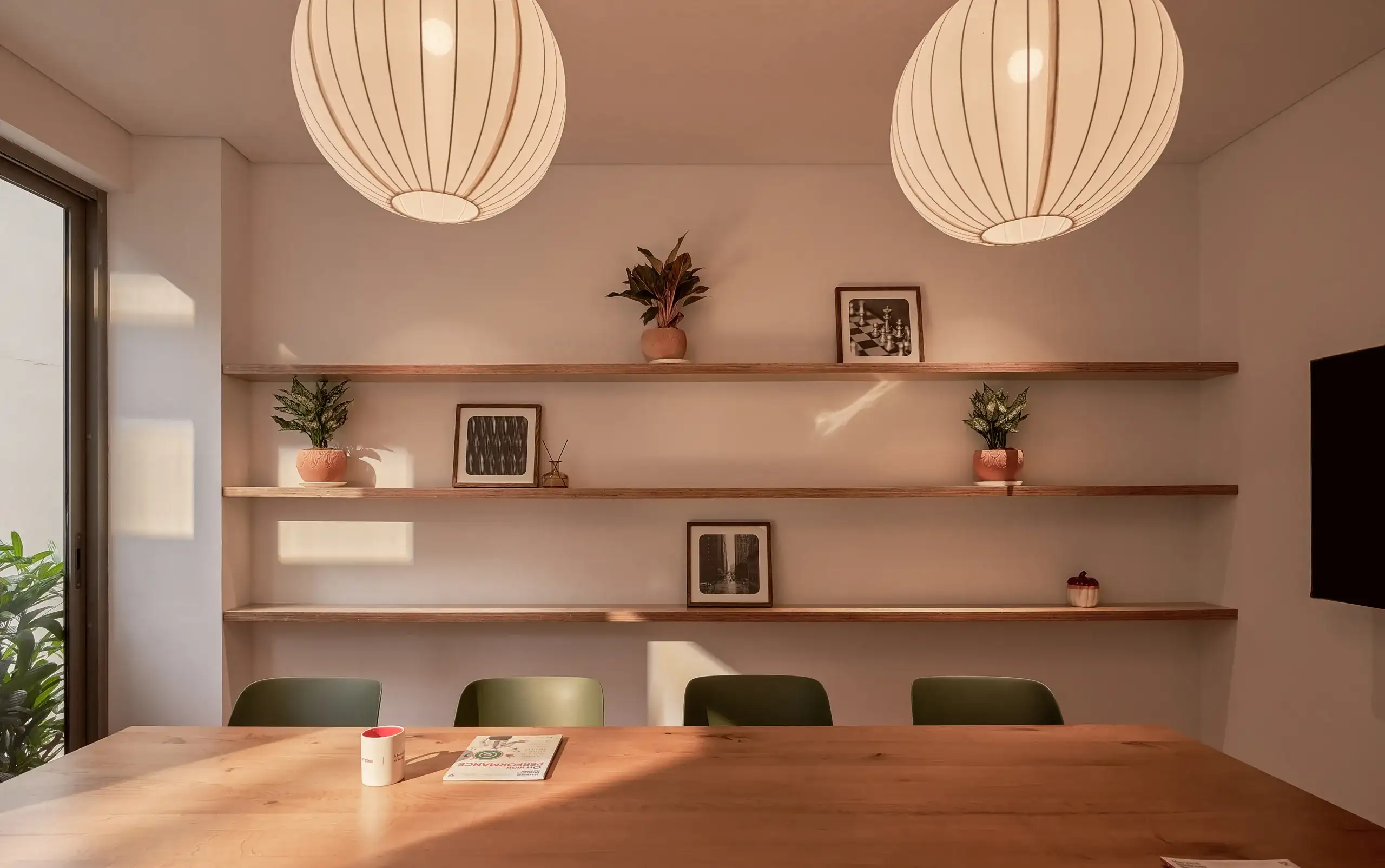
In Vietnam’s maturing business landscape, where GDP growth targets are ambitious and venture capital is increasingly selective, investors have moved beyond revenue projections. They are scrutinizing operations, cultural stability, and long-term capacity. The workplace—once seen merely as a fixed cost — has become a transparent indicator of these qualities. Does the environment scream “wasteful spending” or “agile efficiency”?
As we move through 2026, the physical office acts as a silent partner in the due diligence process. Here is how forward-thinking companies are leveraging their workspace to strengthen investor confidence and close the gap to their next round of funding 2026.
Workplace Factors Shape Investor Perception
Investors – especially regional and global funds entering the Vietnamese market – are looking beyond traditional business metrics. According to NSSC Insights – Current State of Startup Investment in Vietnam, investment criteria are becoming tied more closely to financial indicators, with startups expected to demonstrate strong cash flow and clear profitability potential. Their goal is to understand whether a company can scale smoothly or is likely to face significant friction.
The workplace is no longer just a physical location. It has become a strategic component of your growth story – and investors recognize this. With investment in Vietnam projected to grow significantly through 2030, capital is seeking companies that show operational readiness alongside a solid business model.
1. Operational Discipline
Investors closely monitor burn behavior. A chaotic, poorly managed office suggests weak processes, unnecessary costs, or leadership that does not prioritize efficiency – red flags when seeking funding 2026. In contrast, a well-run workspace signals clarity, discipline, and the ability to allocate capital wisely. This directly shapes how investors assess a company’s resource management during due diligence.
When a VC walks into a workspace that is optimized, professional, and buzzing with focused energy, they see a leadership team that treats every dollar with respect. This perception is critical in a tight capital market where operational discipline is often the tie-breaker between a “yes” and a “maybe.”
2. Scalability Readiness
A well-designed workspace reflects stability, clear processes, smooth collaboration, and fast onboarding, where teams can sit together and work productively. Investors want to see an office that supports growth – not slows it down.
According to the EY Future Workplace Index, 51% of companies are investing in high-tech office environments, and 63% are investing in digital collaboration tools. In the Asia–Pacific region, this market is expected to account for nearly 37% of the global office sector by the end of 2025, highlighting the importance of a modern, flexible, and scalable workplace. For a founder pitching for funding 2026, demonstrating that your infrastructure can handle a 50% headcount increase next month without breaking the bank is a powerful competitive advantage.
3. Brand Strength
Research from Gallup shows that companies with high employee retention see a 22% increase in profitability, while flexible work policies boost retention by 25%. A workspace that attracts talent reduces hiring costs, shortens recruitment time, and improves retention rates – all important indicators of long-term stability.
As explored in How to Turn Your Office Into a Talent Magnet, the quality of your workplace directly influences your competitiveness in the talent market. When investors analyze your “Use of Funds” for funding 2026, they prefer capital going toward product and sales rather than expensive recruitment fees to replace churning staff. A premium workplace that retains top talent is, therefore, a direct contributor to a healthier bottom line.
4. Signaling Strong Leadership & Smart Spending
A premium yet efficient workspace shows that leadership understands modern cost structures: no heavy CAPEX, no long-term leases, no waste, high flexibility, and smart use of OPEX. This disciplined spending aligns with investor expectations for the funding 2026 cycle.
CBRE notes that tenants are becoming more selective, demanding not only high-quality finishes but also convenience, accessibility, and locations that suit their workforce. Smart workplace decisions reflect the same strategic mindset. By opting for a serviced office, leaders demonstrate they are agile enough to pivot and smart enough to avoid sinking cash into depreciating fit-outs.
5. Credibility & Professionalism During Due Diligence
Many investment decisions are influenced by what investors observe during on-site visits. From a professional reception area and high-quality meeting rooms to strong IT systems, productive teams, a healthy work atmosphere, and an organized, structured environment – every detail matters.
Investors look for signs that the company operates at a global standard. These impressions directly affect investor confidence. During due diligence visits for funding 2026, the physical environment communicates a great deal about leadership priorities and operational maturity. It answers the unspoken question: “Is this team ready for the big leagues?”
6. Built-In Redundancy Systems
A workspace equipped with redundancy systems (IT, internet, support) minimizes operational risk – something investors track closely. This operational resilience is especially important during funding rounds, as investors evaluate whether a company can maintain business continuity while scaling quickly.
In the context of funding 2026, where risk governance is a core investor expectation, relying on a fragile home internet setup or a poorly managed leased office can be a liability. Enterprise-grade infrastructure signals that you have de-risked your operations.
7. Modern & Hybrid Workflows
A workplace that supports hybrid productivity – not just remote or on-site – signals adaptability. Most companies (62%) now use a mix of assigned open spaces and private offices, reflecting a shift toward flexibility. According to the EY Future Workplace Index and related analyses, adaptability in workplace design (combining onsite and remote) is becoming a key indicator of future competitiveness.
The Cisco Global Hybrid Work Study 2025 also reports that the majority of businesses are implementing hybrid productivity models, with 62% using a mix of open areas and enclosed offices to boost flexibility and support performance. These findings highlight that by 2026 and beyond, adaptability will be a critical factor determining whether a business can stay competitive and secure the necessary funding 2026.
Feature | Traditional Office Signal | Flexible Workspace Signal (Dreamplex) |
Financial Model | High CAPEX, Long-term Liability | OPEX, Agile Capital Allocation |
Scalability | Slow (Renovations required) | Instant (Add desks/suites on demand) |
Operations | Distracted Leadership (Managing facilities) | Focused Leadership (Outsourced ops) |
Risk Profile | High (Lease lock-in) | Low (Flexible terms) |
Tech Readiness | Variable/Self-managed | Enterprise-grade & Redundant |
(Internal Market Analysis & Dreamplex Operational Data (2025)
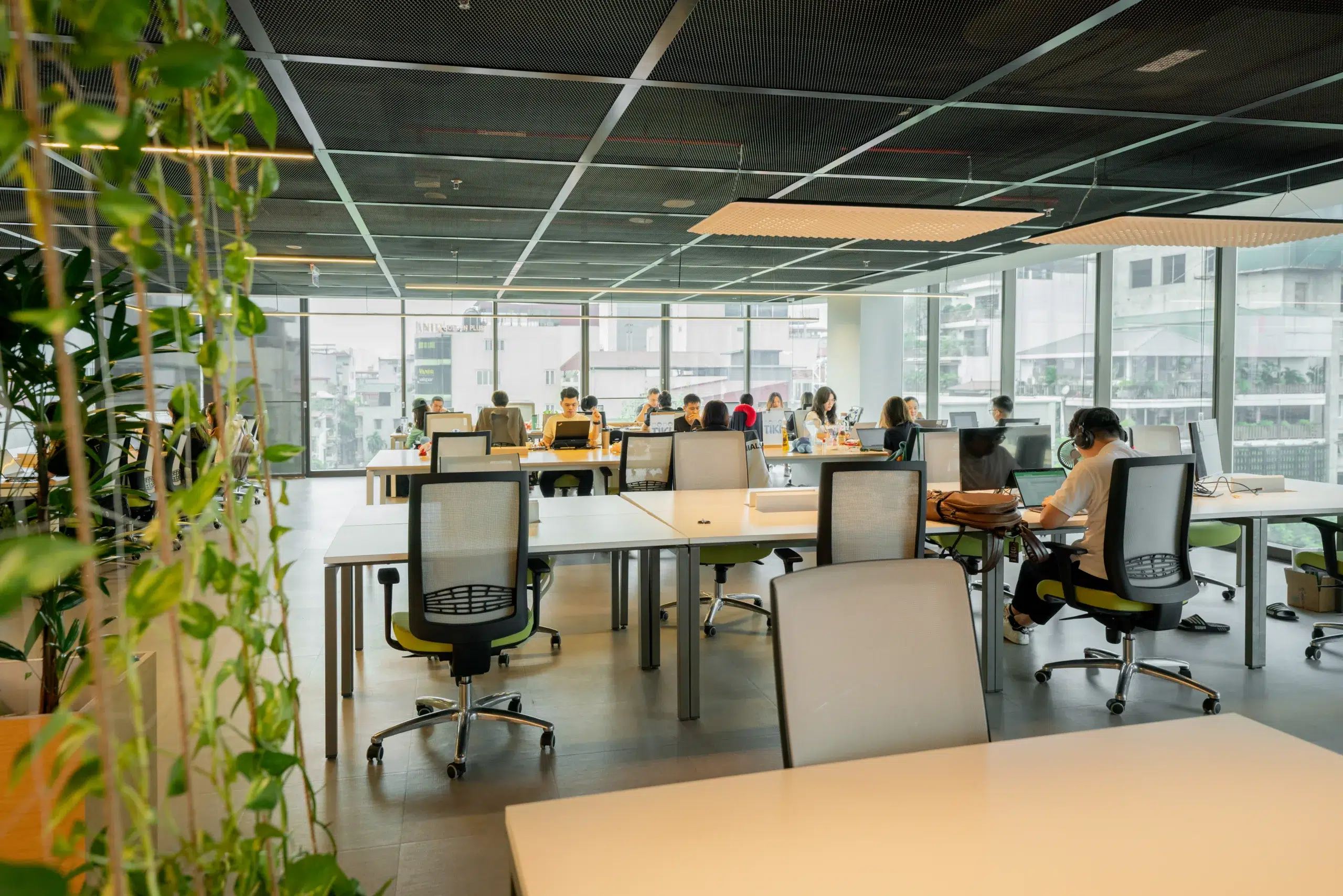
The Dreamplex Model: A Workplace That Strengthens Investor Confidence
The U.S. coworking market reached USD 4.99 billion in 2025 and is projected to grow to USD 7.38 billion by 2030, reflecting global recognition of the value of flexible workspaces. Dreamplex workspaces integrate the signals and conditions investors value most – turning the office itself into part of a company’s fundraising advantage.
Built for Fast Scaling
Dreamplex offers scalable workspace options for teams of 5, 50, or more – with no downtime, no renovation delays, and no operational friction. Investors can immediately see a company’s potential to grow. This flexibility is especially important in Vietnam’s startup ecosystem, where capital flows fluctuate, and investors are cautious, always looking for efficient use of funds. When aiming for funding 2026, the ability to scale up after the check clears – without a 6-month construction delay – is invaluable.
Smooth, Flexible Operations
Dreamplex infrastructure eliminates common bottlenecks: ready-to-use IT systems, meeting rooms equipped with the right technology, front-desk support, admin services, and hybrid workflows already in place. This signals strong operational capability – increasing a company’s ability to secure investment.
A Strong, Connected Community
Dreamplex’s network of startups, tech leaders, international companies, and growth-driven teams shows investors that the company is plugged into a thriving ecosystem. Being part of such a community boosts credibility and gives access to partners, customers, and potential talent – all factors investors evaluate when assessing growth potential.
Modern, International-Standard Offices With Hybrid Capability
With international-standard design, comfortable office layouts, and a modern environment, Dreamplex helps companies demonstrate their commitment to performance, focus, and sustainable culture. Dreamplex also enables innovation through tech-enabled meeting rooms, event spaces, private offices, creative studios, and hybrid infrastructure backed by hospitality-level service. This helps companies operate like a “future-ready organization.” Investors increasingly recognize that a modern office is essential for collaboration, creativity, and growth – and is a powerful signal of a company’s differentiation.
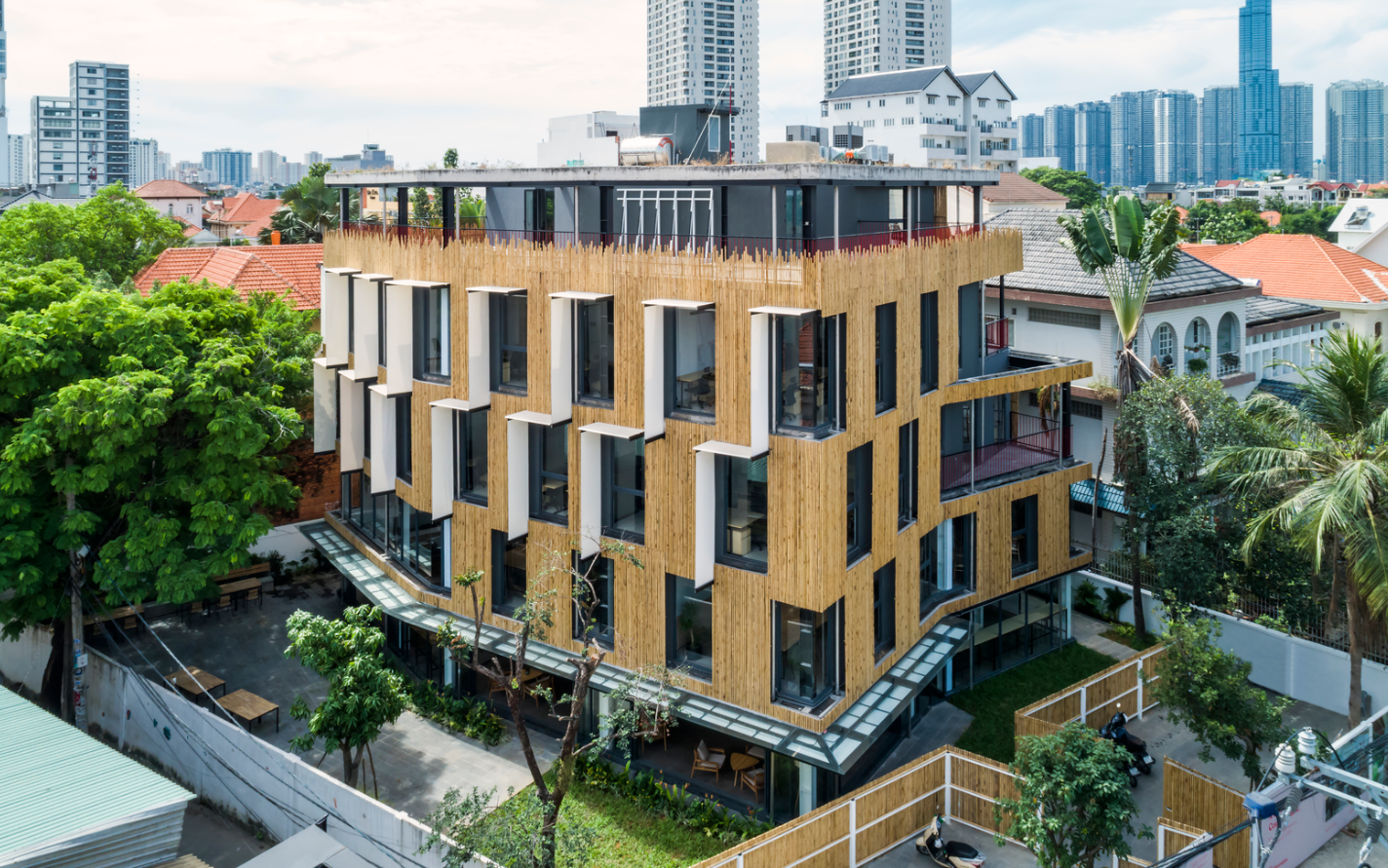
Dreamplex provides workspaces where companies can host investor pitches, partner meetings, due diligence sessions, and annual reviews. This setting enhances conversations and creates a professional impression that supports funding decisions.
- Avoid building operations from scratch: Instead of setting up operations on their own (which burns resources), companies use Dreamplex as their foundation – with ready IT infrastructure, security, facilities, logistics, community events, and hybrid workflow structures.
- Scale your team quickly: Growing from 20 to 80 people in a single funding round happens seamlessly with Dreamplex – no delays, no renovations, no disruptions. Investors see readiness, stability, and speed. This operational agility addresses a common investor concern regarding funding 2026: whether a company can deploy capital efficiently to expand its team quickly.
- Strengthen employer brand to build investor confidence: With dedicated support, companies at Dreamplex often report higher candidate interest, faster hiring, better employee engagement, and lower turnover. Research shows that most employees say regular recognition improves their loyalty – and a coworking space that contributes to the employee experience directly influences investor decisions.
- Turn the workplace into OPEX, not CAPEX: Investors no longer favor long leases or large upfront payments. Instead of buying or building offices (CAPEX), companies choose flexible workspace (OPEX) – treating the office as an operational service to increase flexibility and reduce risk. Dreamplex delivers exactly this: flexible, cost-efficient, low-risk workspace aligned with modern investor expectations.
Cost Category | Traditional Office Lease (5-Year Term) | All-Inclusive Serviced Office (Dreamplex) |
Upfront Investment (CAPEX) | High. Requires fit-out, furniture, cabling, and deposits (often 3-6 months) | Zero to Low. Plug-and-play ready. Minimal deposit required. |
Monthly Operations (OPEX) | Variable. Separate bills for internet, cleaning, electricity, pantry supplies, and maintenance. | Fixed. Single invoice covers rent, utilities, coffee, cleaning, and support staff. |
Asset Management | Depreciation of furniture and equipment. Restoration costs upon exit. | No depreciation tracking. No reinstatement costs. |
Flexibility cost | High. Breaking a lease is punitive; expansion requires finding new floors/buildings. | Low. Scale up or down effortlessly as team size fluctuates. |
Staffing | Requires hiring an Office Manager/Receptionist. | Includes professional Member Experience team/Reception. |
Source: The 2026 Office Budgeting Tool
Besides, Dreamplex shapes every location into a living ecosystem – complete with private suites, collaborative lounges, cafés, and event spaces that adapt seamlessly to the rhythm of each team. It offers the branded identity and privacy of a conventional office, combined with the agility and freedom of a flexible workspace model.
People Also Ask these questions when preparing for funding 2026
1. How does office choice impact funding 2026 chances?
Your office choice acts as a signal of operational maturity. Investors in 2026 scrutinize “burn rate” and “capital efficiency.” A flexible, serviced office (OPEX) signals agility and smart spending, whereas an expensive traditional lease (CAPEX) can look like a liability and poor risk management.
2. What are the key investor criteria for Vietnam startups in 2026?
Beyond revenue, investors now demand “pragmatic scalability.” They look for operational discipline, risk governance (data/IT security), talent retention capabilities, and a clear path to profitability. A stable, professional workspace is viewed as evidence of these foundational strengths.
3. Why is OPEX preferred over CAPEX for securing funding 2026?
Investors want their capital used for growth – product development and sales – not sunk into office renovations or furniture. Shifting real estate costs to OPEX (Operating Expense) keeps the balance sheet light and allows founders to pivot quickly if market conditions change.
4. What is the “Redundancy” factor in investor due diligence?
Redundancy refers to backup systems – like dual internet lines, IT support, and power backups – that ensure business continuity. Investors check for this to ensure the company won’t go offline during critical moments. Serviced offices like Dreamplex build these redundancies into their base offering, instantly de-risking the startup.
5. How does a premium workspace improve talent retention statistics?
Data from Gallup and others indicates that a high-quality workplace improves retention by over 20%. In a competitive talent market, a workspace that offers hospitality, community, and professional amenities reduces “churn,” which in turn protects the company’s knowledge base and reduces costly recruitment cycles – a key metric for investors.

Founder Advisory: Optimizing Your Fundraising Profile for 2026
Forward-thinking companies now incorporate workspace strategy into their fundraising narrative, delivering three investor-relevant advantages.
Adopting an operational expenditure model improves financial statement presentation by converting upfront costs into predictable monthly expenses, strengthening cash flow metrics and runway projections. Workspace quality serves as tangible proof of talent capabilities, allowing investors to directly observe team energy and collaboration during site visits. Outsourcing facilities management enables founders to maintain focus on core value drivers like product development and market expansion, signaling disciplined resource allocation that investors value.
Ready to level up your funding 2026 game?
- Book a Tour → Experience how Dreamplex helps enterprises reduce cost per employee while enhancing daily performance.
- Join Our Leadership Roundtable → “AI Teams, Human Workplaces: The New Balancing Act.” Learn how Vietnam’s top leaders are designing offices that scale with technology — and still put people first.
Contact Dreamplex for a free consultation and explore special offers:
- Hotline: +84 706 023 545
- Email: sales@dreamplex.co
Dreamplex – Creating workspace that grows with your business
Private when you need focus. Open when you need energy. Human, always.
We create “A Better Day at Work” that perfectly meets the needs of fast-growing companies that understand that their young employees expect more from their workplace.
Well-designed private, branded offices, 5-star hospitality-level care, and a savvy c help those companies attract, engage, and retain Millennial and GenZ talent in Vietnam.
Dreamplex has 5 locations in Ho Chi Minh City, 1 in Hanoi, and looks to expand further in 2026 to create a better workplace for even more people-centric companies and their employees. Companies like Tiki, AIA, Sky Mavis, Samsung, and more trusted Dreamplex to offer the best office for their teams.
WE CREATE A BETTER DAY AT WORK.

