


10 Myths About Coworking Space HCMC — And What Flexible Workspace Means for Businesses in Vietnam Today
Coworking space HCMC, or in wider Vietnam, is no longer a startup-only product. Modern flexible workspaces offer private offices, meeting rooms, phone booths and focus zones alongside shared areas. On cost, the comparison against a traditional lease only makes sense once hidden operating expenses are included. On community, proximity alone builds nothing — intention does. This article addresses ten myths that still shape how companies evaluate the option.
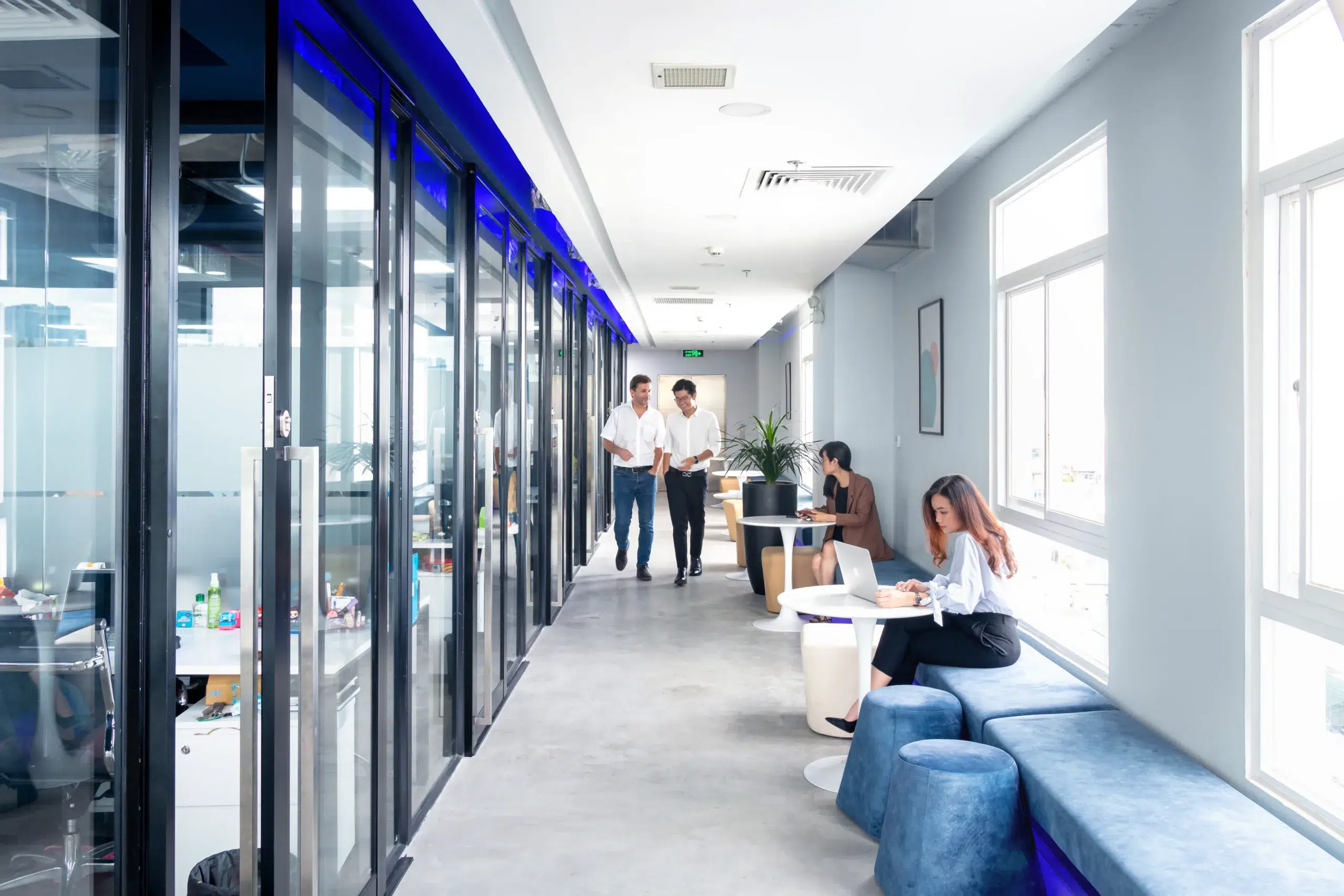
Over the past few years, the way we work in Vietnam has changed dramatically.
Companies are becoming more cautious with long-term commitments. Teams are more hybrid. Employees expect better workplace experiences. Founders and business owners are looking for offices that give them flexibility without sacrificing professionalism. And in cities like Ho Chi Minh City and Hanoi, where traffic, rent, hiring, and operating costs are real business considerations, the traditional office is no longer the only answer.
Yet despite the growth of flexible workspace in Vietnam, many myths about the coworking space HCMC market still exist.
Some may have been true ten years ago. Some were never quite true. And many simply no longer reflect how coworking and serviced office spaces have evolved.
So let’s set the record straight.
Myth #1: Coworking is only for freelancers and startups
Reality: Coworking today serves many different types of businesses.
In Vietnam, coworking may have started with freelancers, creatives, and early-stage startups, but the market has grown far beyond that.
Today, flexible workspaces support small business owners, consultants, remote employees, project teams, SMEs, regional teams, nonprofits, and even large corporations looking for satellite offices or more agile workplace solutions.
For many companies, it is no longer a question of “Should we rent a traditional office or work from home?” The better question is: “What kind of workspace helps our team perform better, while keeping the business flexible?”
That answer looks different for every company. And that is exactly why the coworking space HCMC market now exists in so many different forms.
Myth #2: Coworking spaces are noisy and distracting
Reality: A good workspace is designed for different work styles.
Yes, some coworking spaces can be busy. But modern flexible workspaces are no longer just open tables and coffee machines.
A well-designed workspace includes different zones for different needs: quiet areas for focused work, phone booths for calls, meeting rooms for discussions, private offices for teams, and shared lounges for more casual conversations.
For many professionals in Vietnam, especially those working from home in shared apartments, small homes, or busy family environments, a flexible workspace can offer fewer distractions — not more.
The goal is not to make every corner silent. The goal is to give people the right environment for the kind of work they need to do.
Myth #3: Coworking is more expensive than a traditional office
Reality: The real cost of an office is much more than rent.
When people compare a serviced office with a traditional office lease in Vietnam, most only look at the monthly rent. But anyone who has operated an office knows the real cost goes much deeper.
A traditional office usually comes with furniture, internet, utilities, cleaning, pantry supplies, maintenance, reception, security, meeting room setup, repairs, office management, and a lot of invisible admin work.
In Vietnam, where businesses often need to stay lean and responsive, these hidden costs can add up quickly.
A coworking space HCMC operator, like serviced office providers, allows businesses to access a fully managed workspace without carrying the operational burden themselves. For many teams, this means better cost control, fewer headaches, and more time to focus on growth.
Myth #4: There is no privacy
Reality: Flexible does not mean exposed.
This is one of the most common misunderstandings about coworking.
Today’s flexible workspaces offer many levels of privacy: private offices in Ho Chi Minh City and Hanoi, secure access areas, meeting rooms, day offices, phone booths, and spaces designed for confidential conversations.
For teams that need to discuss business strategy, finances, HR matters, client projects, or sensitive information, privacy matters. A good workspace understands that.
Flexibility should not come at the cost of professionalism. The best coworking space HCMC providers offer both.
Myth #5: Community means everyone has to be friends
Reality: Community is not one big friend group.
In Vietnam, we often value relationships deeply — but that does not mean everyone wants the same kind of connection at work.
Some members enjoy networking events and business introductions. Some prefer familiar faces and a warm greeting in the morning. Some want collaboration. Others simply want to work around other people without feeling alone.
A strong coworking community doesn’t force everyone to join everything. It creates many different ways for people to feel welcome, supported, and connected at their own pace.
Belonging should feel natural, not like another meeting on the calendar.
Myth #6: If people are in the same room, community will happen
Reality: Proximity creates possibility, but intentionality creates connection.
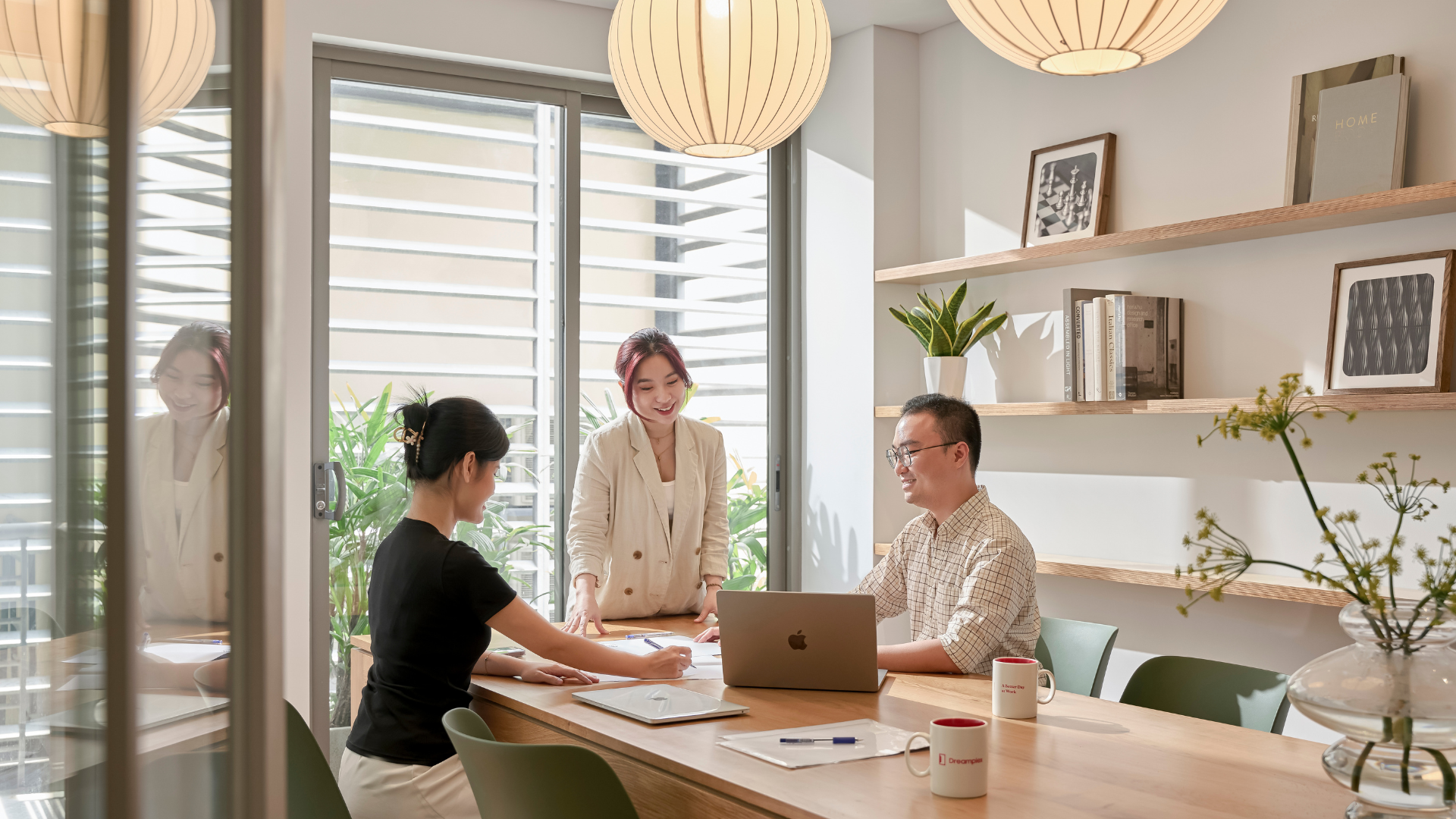
Putting people in the same space does not automatically create community.
You can have a full office where nobody talks to each other. You can also have a smaller space where members know each other by name, introduce opportunities, celebrate small wins, and genuinely care when someone has been away for a few days.
Community is not built by square meters. It is built by intention.
It comes from thoughtful introductions, helpful teams, shared rituals, consistent hospitality, and the small everyday moments that make a workplace feel human.
Myth #7: Events create community
Reality: Events can help, but community happens between events.
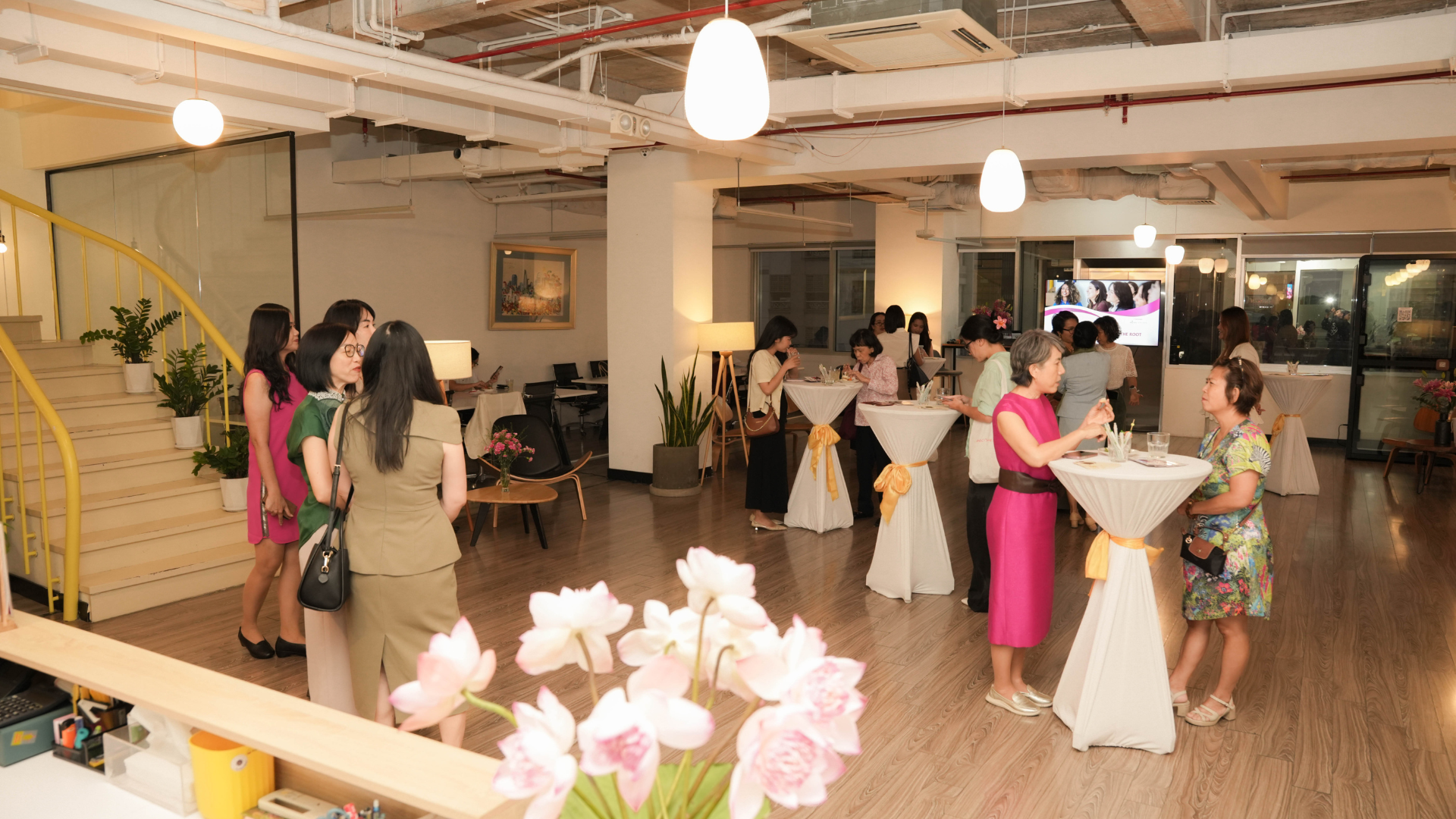
Workshops, networking nights, panel discussions, and member events can be valuable. They create moments for people to meet, learn, and exchange ideas.
But community is not built only when there is a banner, a speaker, and a registration list.
Community happens in the pantry conversation before a meeting. It happens when the front desk team remembers your name. It happens when two members are introduced because they may help each other. It happens when someone finds a client, a partner, a friend, or simply a familiar face in the same building.
Events can open the door. Relationships are built in the everyday.
Myth #8: Everyone in coworking is an extrovert
Reality: Many people in coworking are introverts too.
Not everyone wants to walk into a room and start networking. Not everyone enjoys large group activities. And that is completely okay.
A good coworking community should work for different personalities.
Some people connect through events. Some connect through one-on-one conversations. Some build relationships slowly by seeing the same people every week. Some simply appreciate being in a professional environment where they feel part of something, without needing to be “always on.”
The best communities do not only serve the loudest people in the room. They make space for everyone.
Myth #9: Occupancy equals success
Reality: A full space is not always a successful space.
Of course, occupancy matters. Any workspace needs members, revenue, and business sustainability.
But full does not always mean activated.
A space can be busy but feel cold. It can be beautiful but lack energy. It can be fully occupied but still feel disconnected.
The real measure of success is not only how many desks are filled, but how people feel when they are there. Are they productive? Are they supported? Are they proud to bring clients in? Do they feel comfortable returning every day? Are meaningful connections being created?
For businesses, a workspace is not just a cost line. It is part of the employee experience in Vietnam, the client experience, and sometimes even the company culture.
Myth #10: People join coworking for community
Reality: Many people join for practical reasons — but they stay for human reasons.
Most people do not wake up one morning and say, “I need a community.”
They say, “I need an office.” “I need better Wi-Fi.” “I need a meeting room.” “I need a professional business address.” “I need to stop taking calls from my kitchen table.” “I need a workspace closer to home or closer to clients.”
Those are practical needs. And they matter.
But over time, something else happens.
People start recognizing the team. They find their favorite seat. They meet someone helpful. They join a conversation. They invite a client over and feel proud of the space. They slowly become regulars.
That is when a workspace becomes more than a place to work.
It becomes part of their rhythm.
The biggest myth of all: coworking is only about work
Coworking is about work, of course. Work is the reason people walk through the door.
But the best flexible workspaces offer something deeper.
They help people feel more connected, more supported, and less alone in the way they work. And in a world where many professionals are busier than ever but not always meaningfully connected, that matters.
In Vietnam, where relationships, trust, and face-to-face connection still play an important role in business, a coworking space HCMC provider has an opportunity to become much more than a convenient office.
They can become places where businesses grow, teams feel cared for, and people find a better day at work.
And maybe that is the real future of the coworking space HCMC market: not just flexible space, but a more human way to work.
Ready to See One for Yourself?
- Book a Tour → Experience how Dreamplex helps enterprises reduce cost per employee while enhancing daily performance.
- Join Our Leadership Roundtable → “AI Teams, Human Workplaces: The New Balancing Act.” Learn how Vietnam’s top leaders are designing offices that scale with technology — and still put people first
Dreamplex operates coworking and serviced private offices in Ho Chi Minh City and Hanoi. From single desks to full floors for 150 people. Monthly contracts, move-in ready. Contact us for a free consultation and explore special offers this month:
- Hotline: +84 909 90 34 99
- Email: sales@dreamplex.co
Dreamplex – Creating workspace that grows with your business
Private when you need focus. Open when you need energy. Human, always.
We create “A Better Day at Work” that perfectly meets the needs of fast-growing companies that understand that their young employees expect more from their workplace.
Well-designed private, branded offices, 5-star hospitality-level care, and a savvy c help those companies attract, engage, and retain Millennial and GenZ talent in Vietnam.
Dreamplex has 5 locations in Ho Chi Minh City, 1 in Hanoi, and looks to expand further in 2026 to create a better workplace for even more people-centric companies and their employees. Companies like Tiki, AIA, Sky Mavis, Samsung, and more trusted Dreamplex to offer the best office for their teams.
WE CREATE BETTER DAYS AT WORK.
