


The Story Behind
2 Design Awards
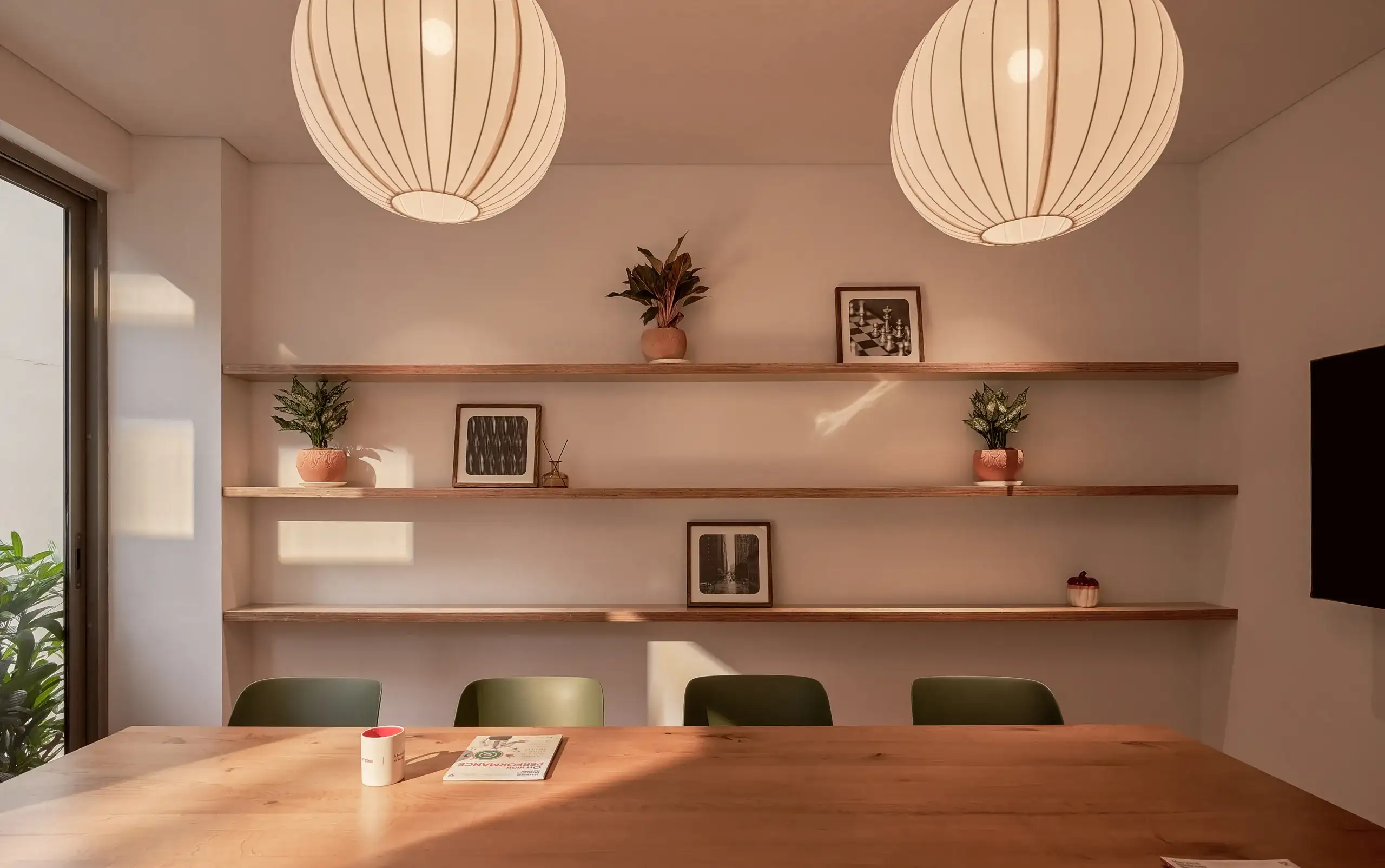
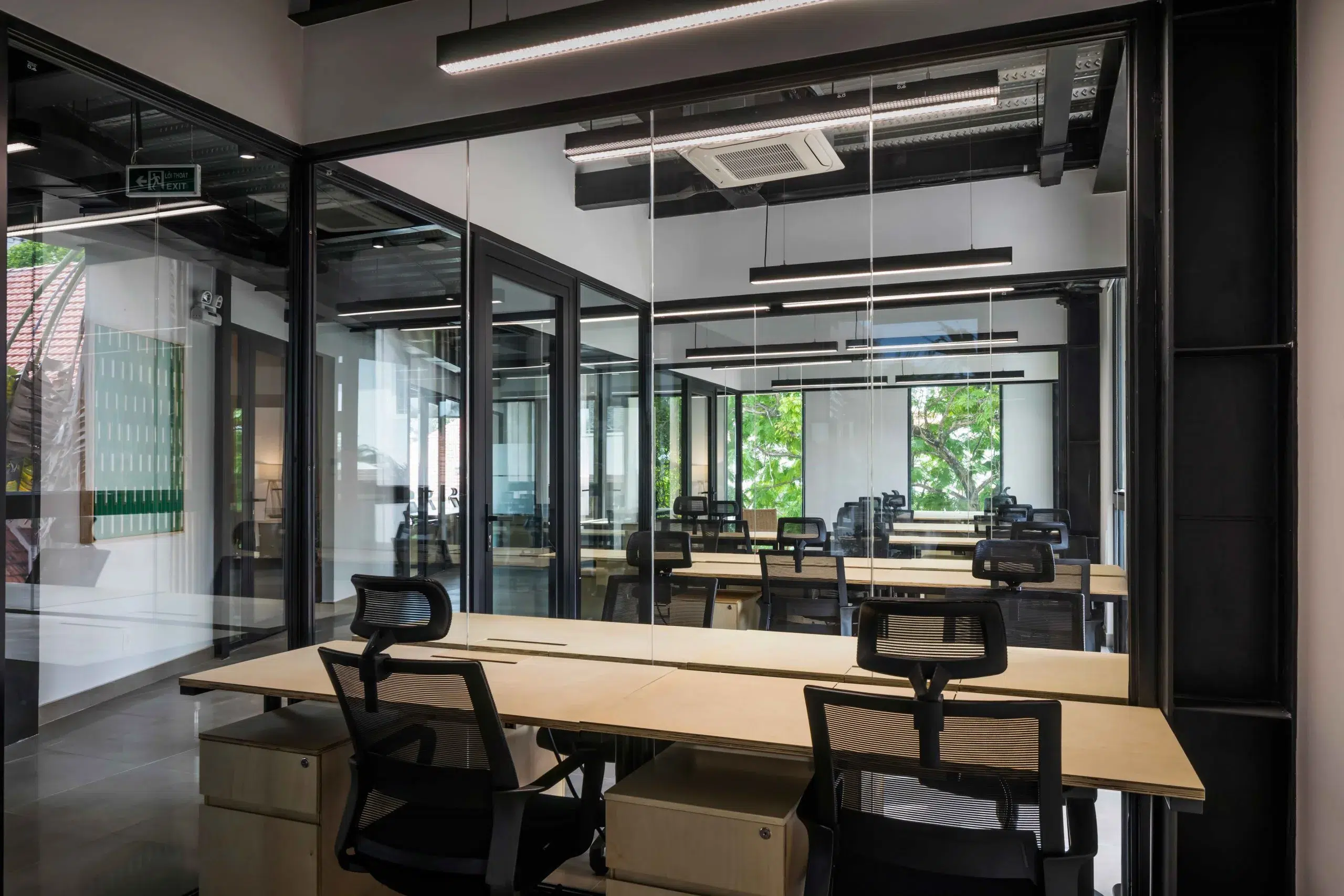
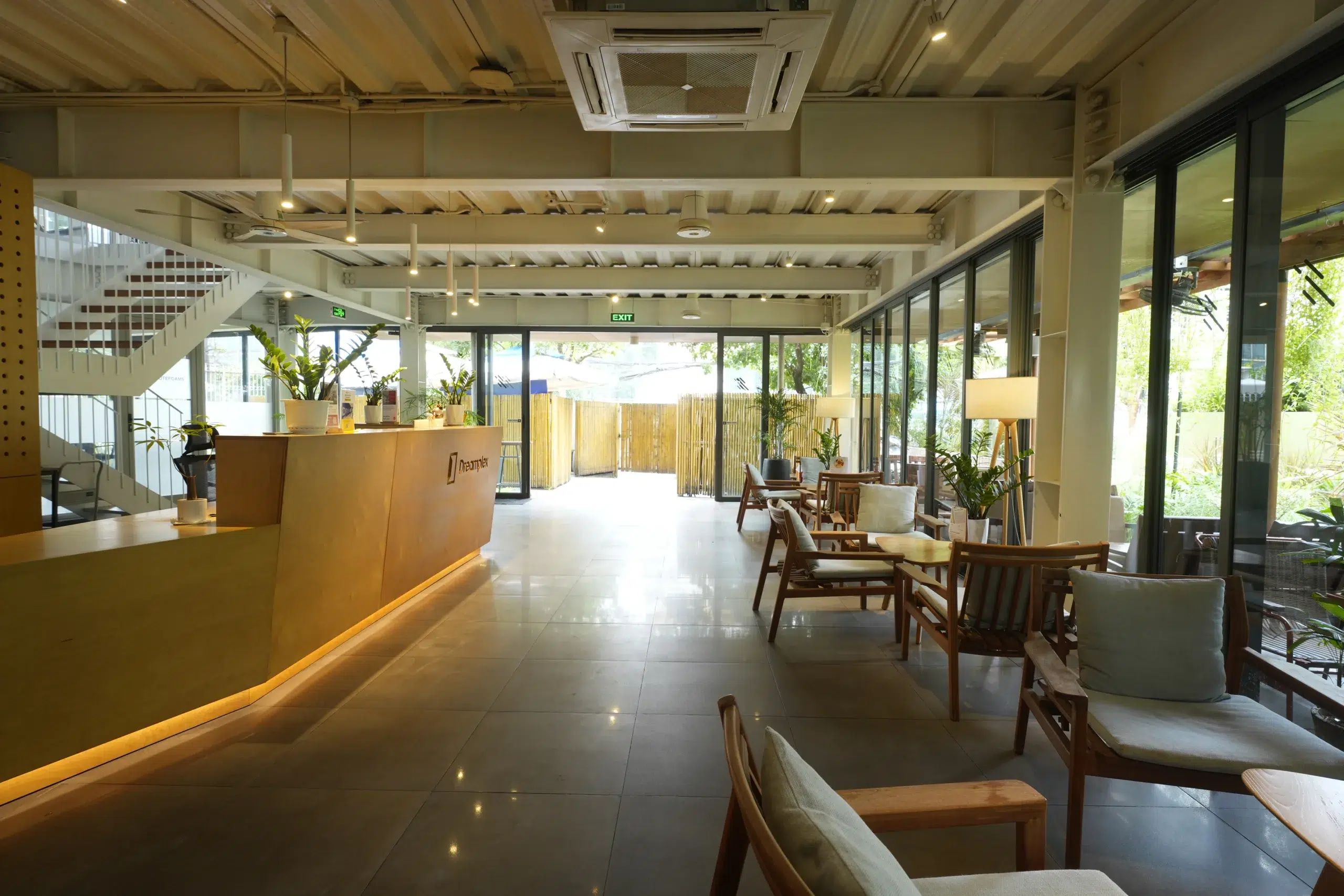
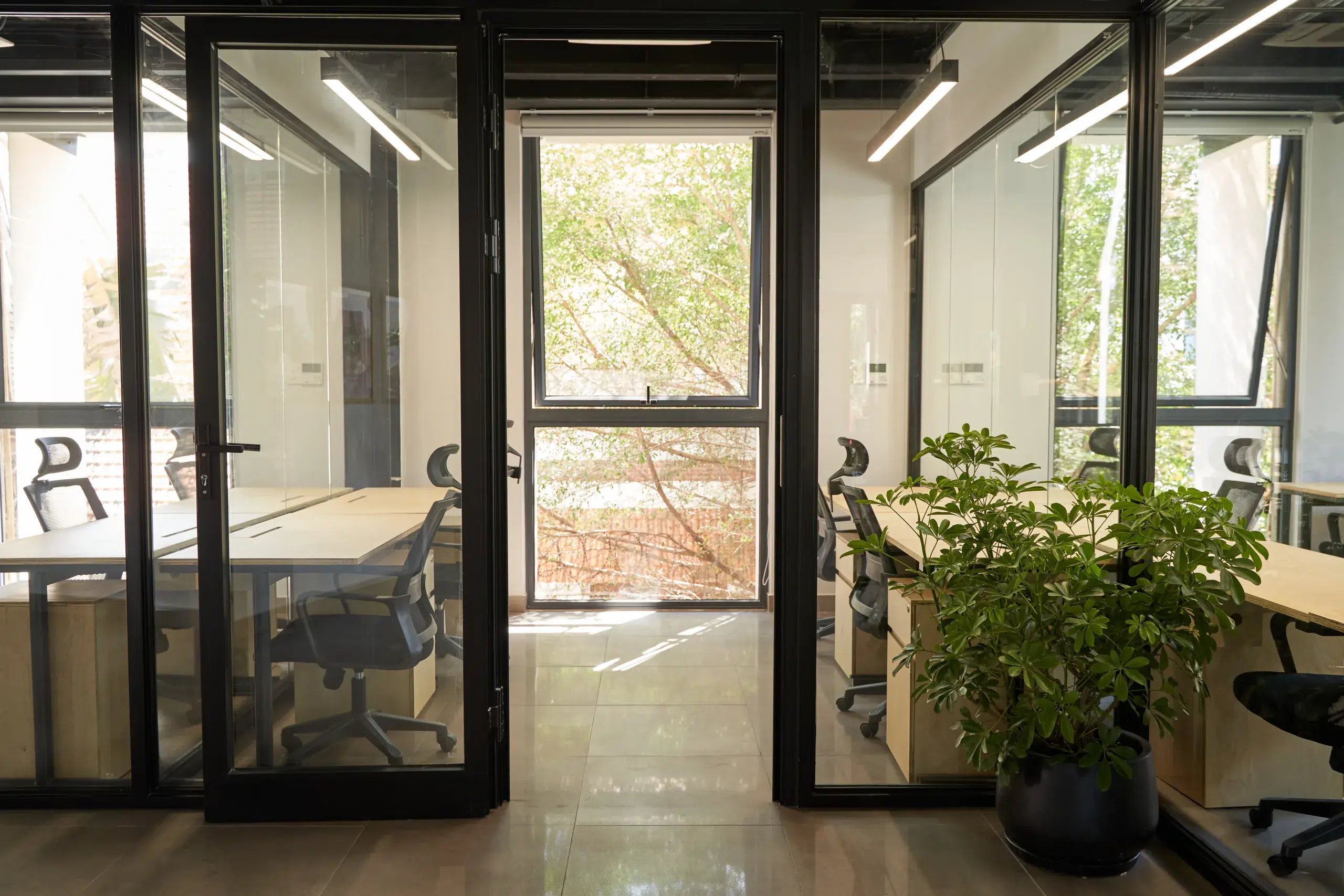
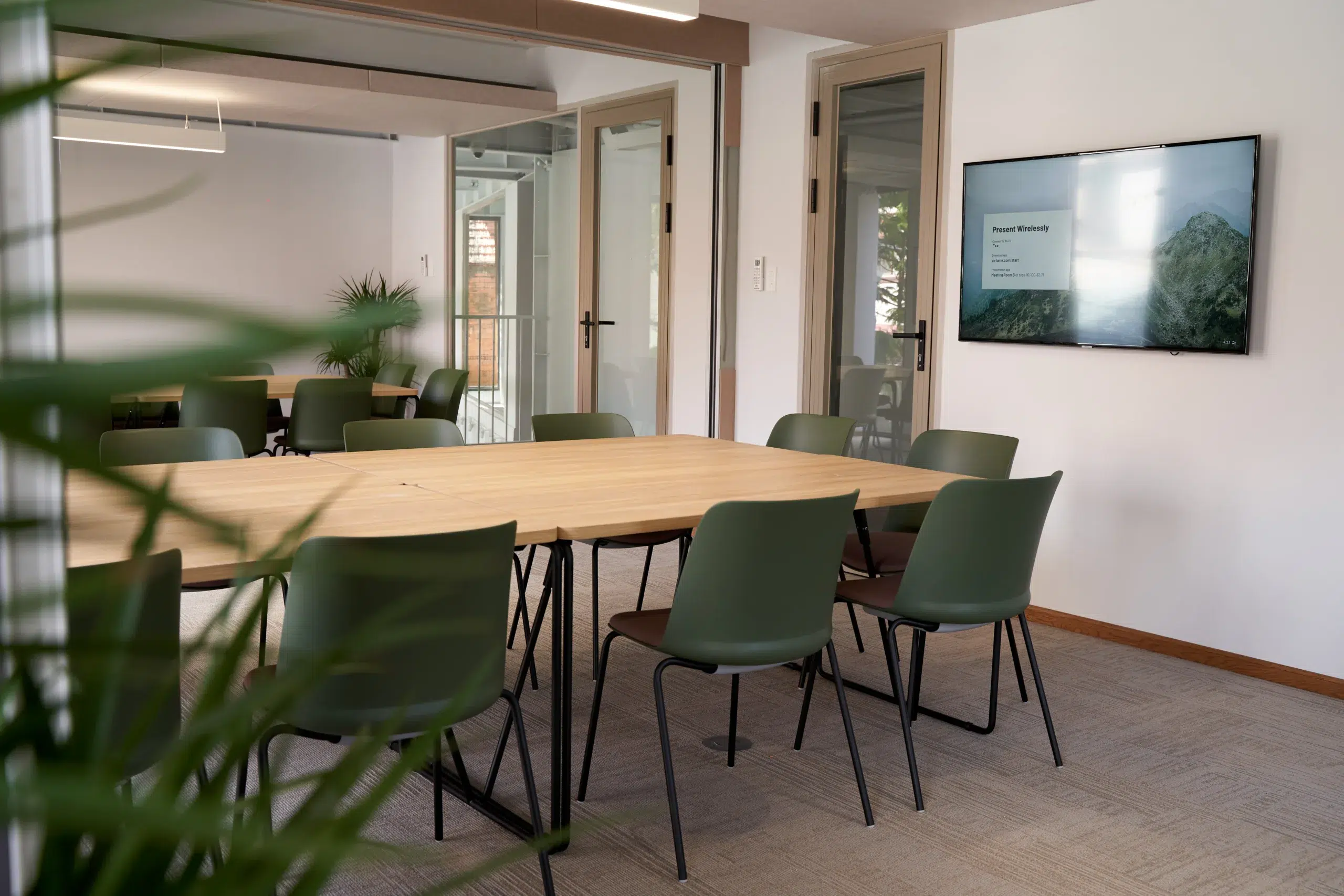
Dreamplex Le Hien Mai (VMARK 2025) and Dreamplex Ngo Quang Huy (VMARK 2020–2021) were both designed by the same architecture firm, T3 Architects, five years apart. Both centre on natural light, minimally processed materials, and space built specifically for mental recovery. That’s not a coincidence engineered for one award submission — it’s a design philosophy sustained and refined over time, grounded in real research on how physical environment shapes productivity and mental wellbeing.



Most conversations about office design and employee wellbeing stop at one question: does this space look good?
That’s the wrong question — or at least an incomplete one.
A beautiful office can still leave the person sitting in it exhausted by 3pm. A modern-looking space can still make employees anxious, unfocused, or simply reluctant to come back the next day. Aesthetics and psychology are two different things. Most office design only solves for the first.
This is what makes Dreamplex’s two design awards worth more than a standard press release.
Dreamplex Ngo Quang Huy won Best Co-Working Space Design at VMARK 2020–2021. Five years later, Dreamplex Le Hien Mai won Best Office Space Design at VMARK 2025. The same architecture firm — T3 Architects — sits behind both. That’s not coincidental for a single award entry. It’s a design philosophy that’s been sustained, tested, and refined across years.
Light: The Design Decision Most People Never Think About
If there’s one single factor that shapes how people experience a working day, it’s light — not furniture, not technology, not even location.
The body reacts to light before the mind catches up
Research from Cornell University, cited by Harvard Business Review, found employees working in optimised natural light reported a 51% drop in eyestrain, a 63% drop in headaches, and a 56% reduction in drowsiness compared to those working under artificial light alone. A separate study from the University of Illinois and SUNY Upstate Medical University found employees with greater natural light exposure slept an average of 37 minutes longer per night, and scored 42% higher on cognitive decision-making tests.
This isn’t decorative detail. Natural light triggers serotonin production — the neurotransmitter directly linked to alertness, mood stability, and the ability to concentrate. A Future Workplace survey found employees rank natural light and outdoor views above most other office perks, including on-site cafeterias and gyms.
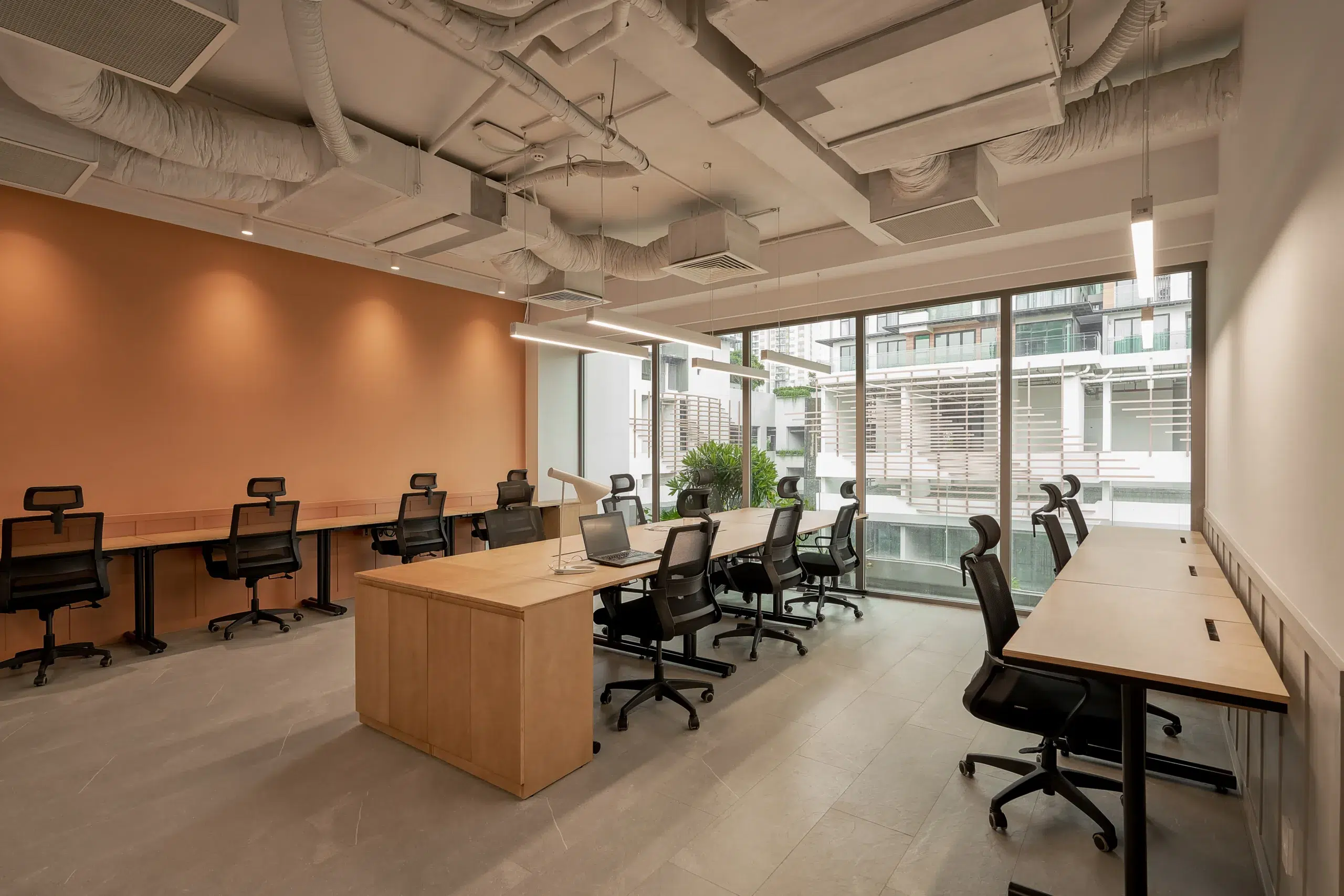
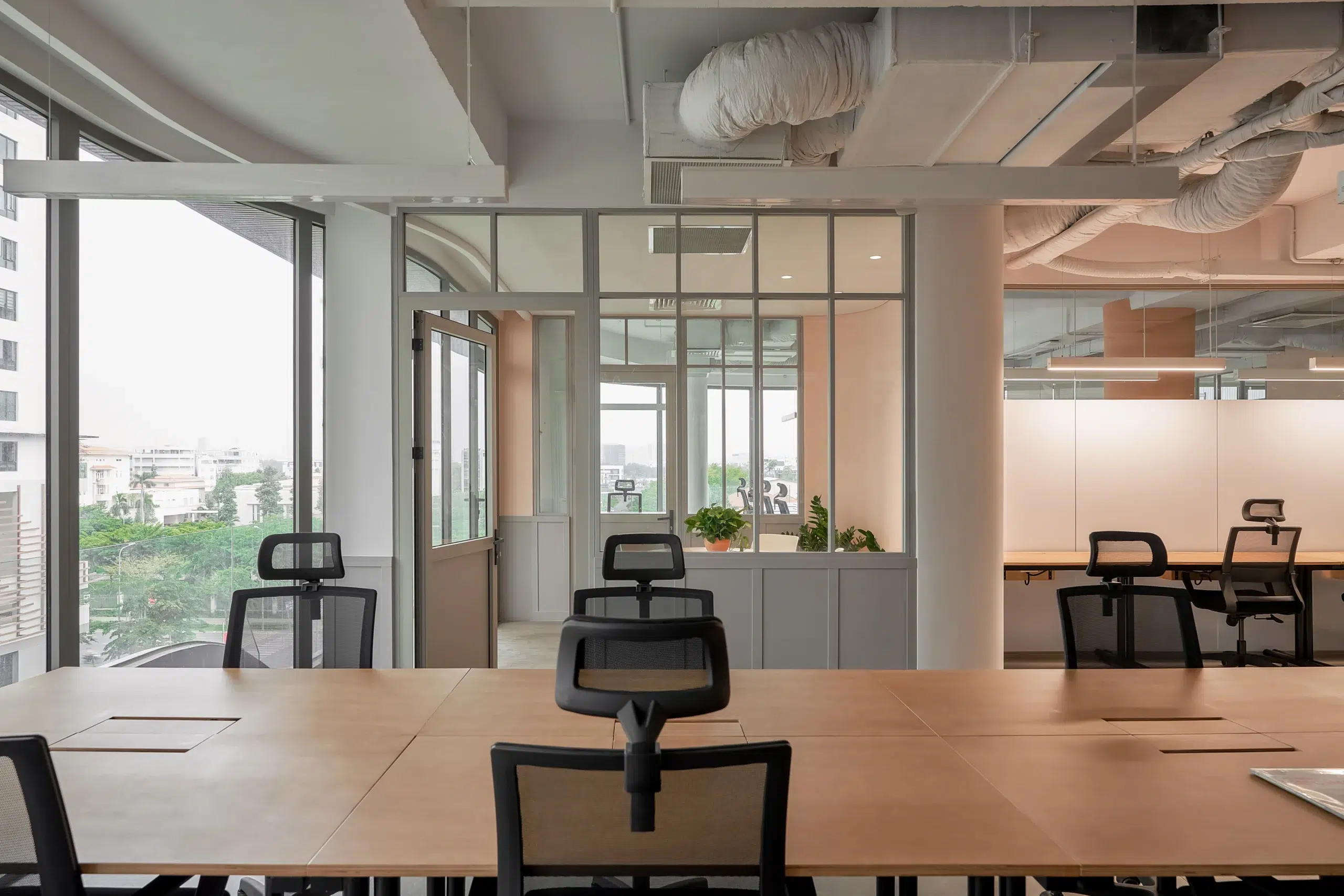
At Dreamplex, light is designed zone by zone
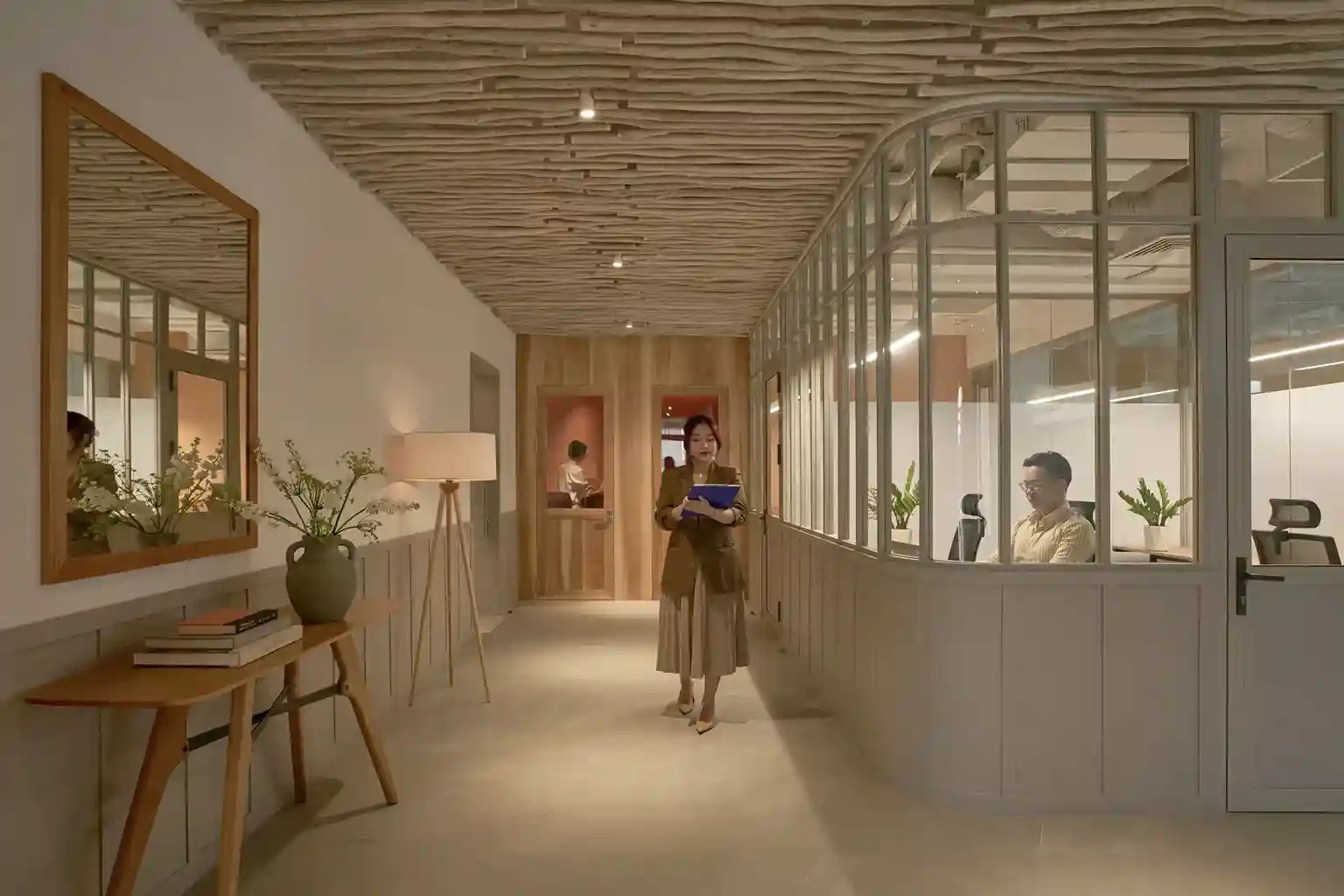
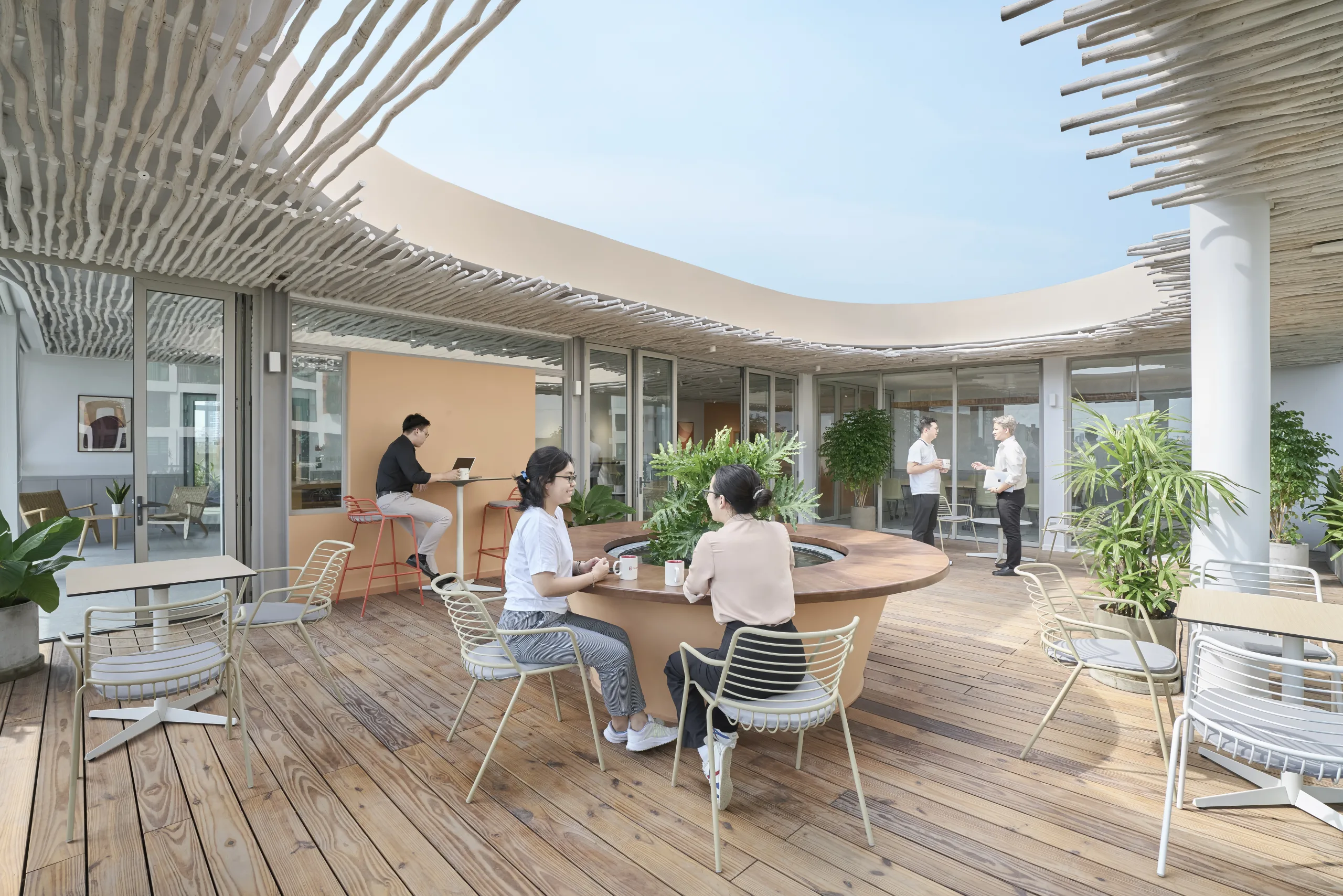
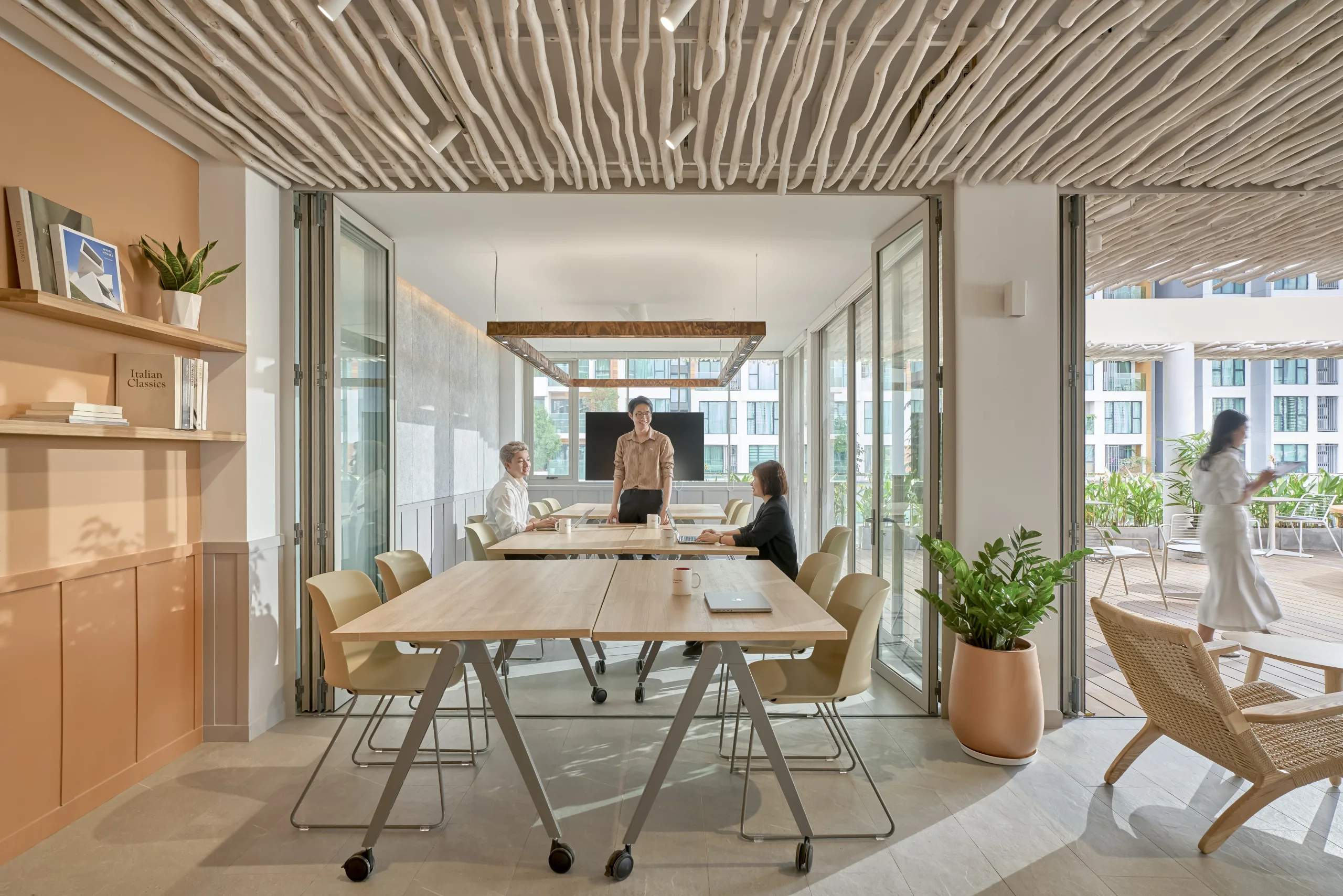
The wavy ceiling at Dreamplex Le Hien Mai uses Vietnamese Melaleuca timber — a choice that wasn’t made for looks alone. Timber diffuses and warms light in a way standard gypsum board or metal ceiling grids simply don’t. Light passing through the wood surface becomes softer, easier on the eyes across a full working day.
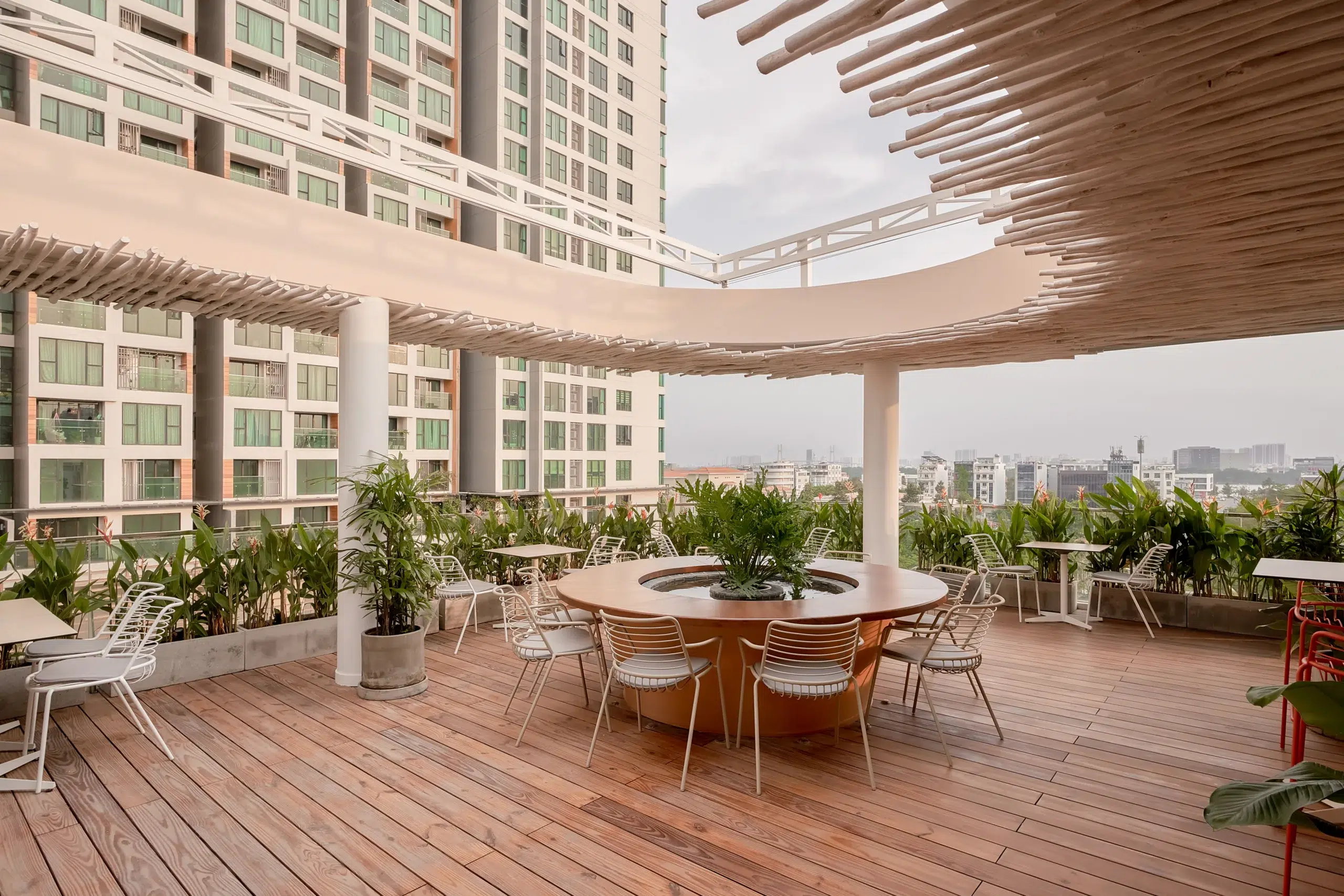
The rooftop area goes a step further: a multi-purpose room that opens completely onto the surrounding tropical garden, letting natural light and outdoor air in directly — not filtered through the tinted glass most high-rise offices rely on.
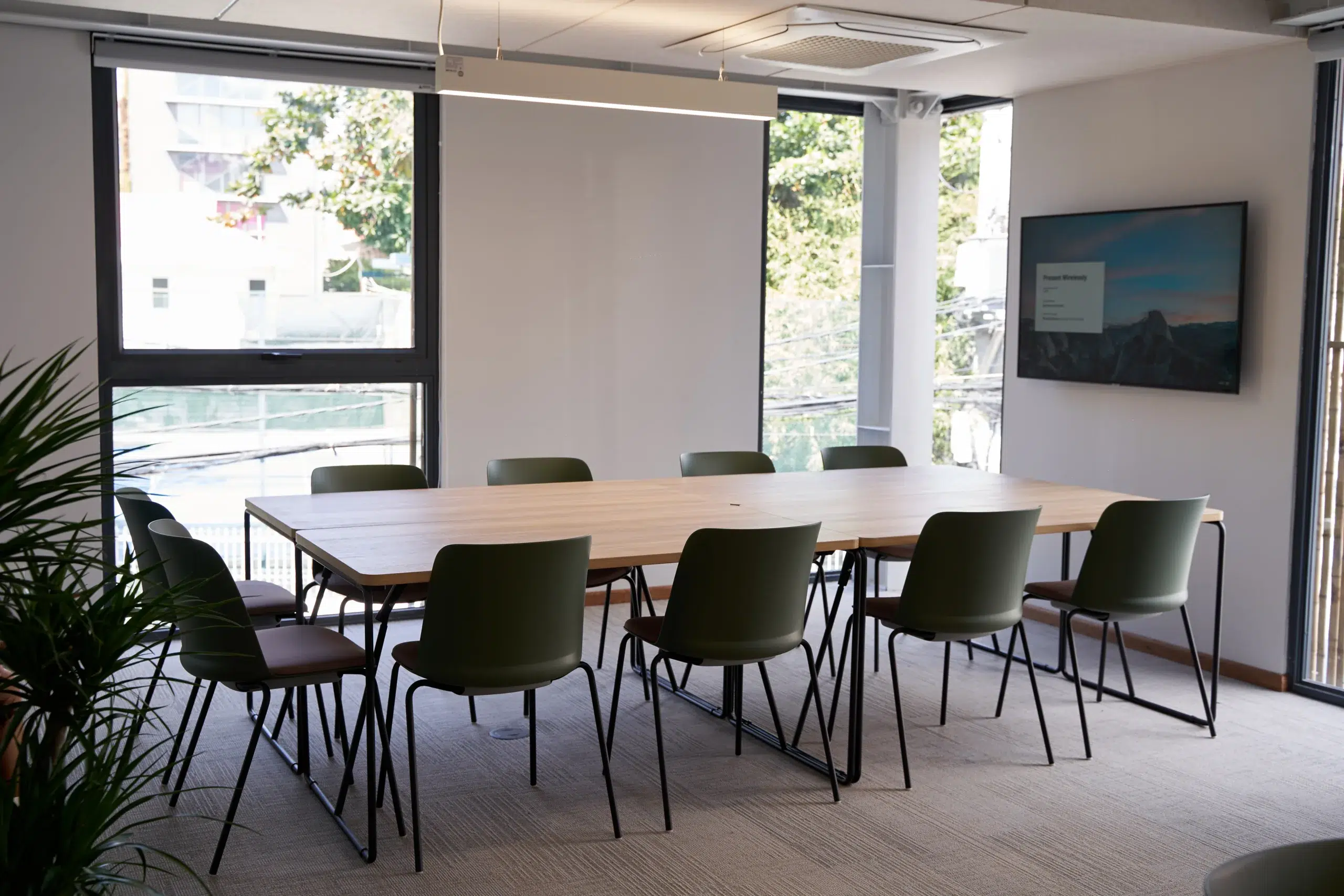
Five years earlier, this same instinct was already present at Dreamplex Ngo Quang Huy, under its original design tagline: “Light. Open. Green.” The five-storey building was designed around natural light, air circulation, and greenery as core structural principles — not amenities bolted on after the floor plan was finalised.
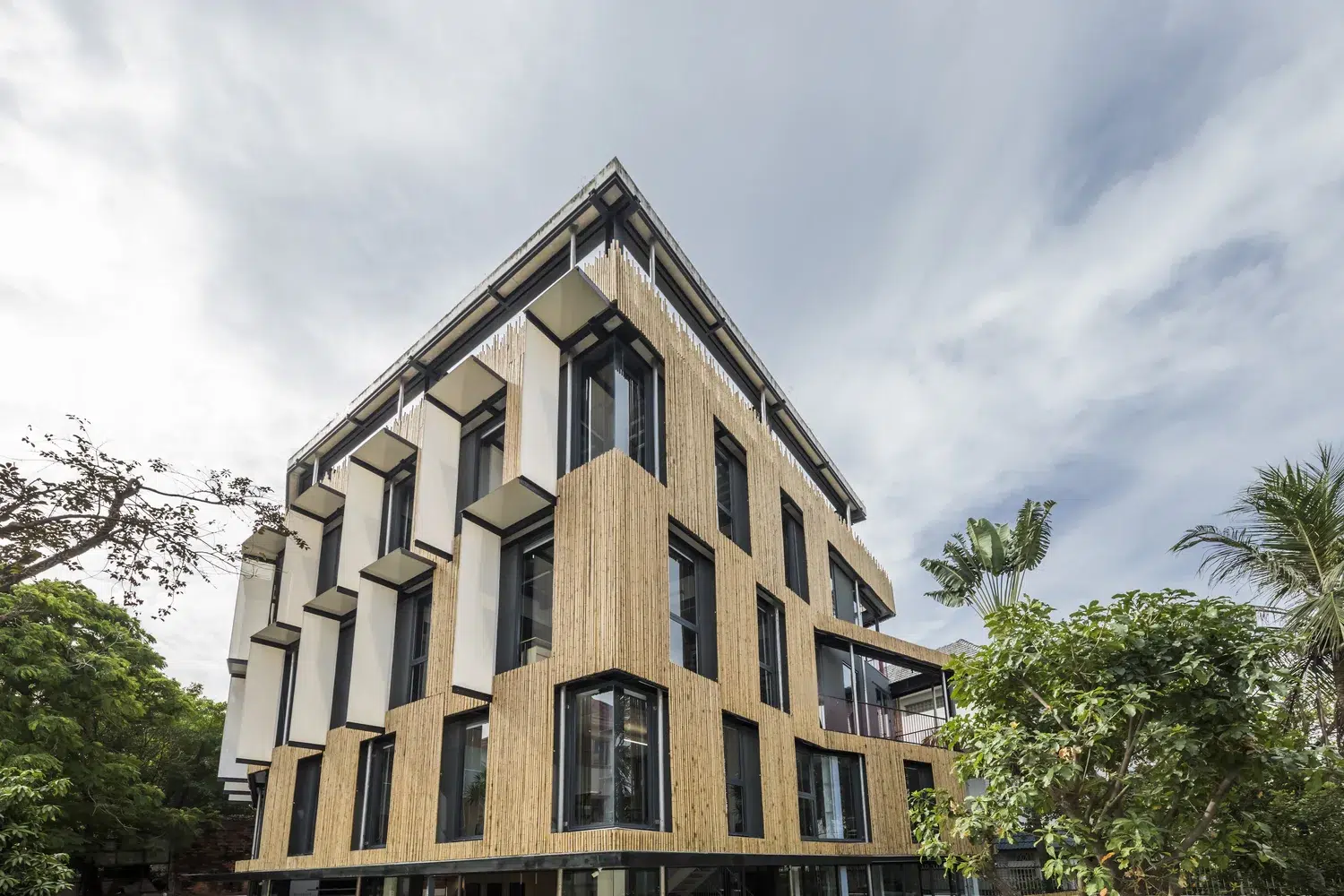
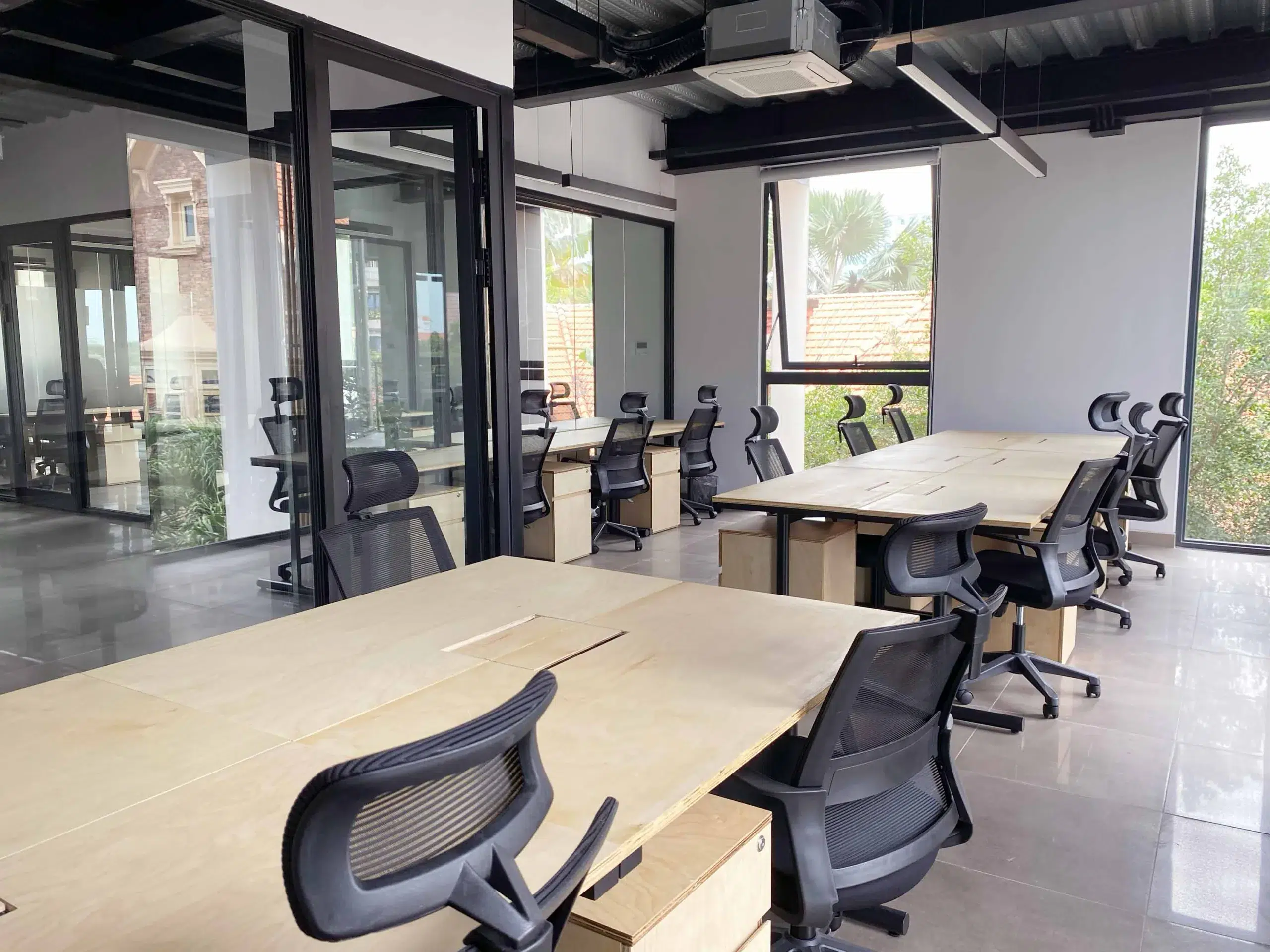
Natural Materials: When What You Touch Affects How Stressed You Feel
Research published in the Journal of Environmental Psychology found that people exposed to natural light and natural materials showed significantly lower cortisol levels — the body’s primary stress hormone — compared to those working in fully synthetic, artificially lit environments.
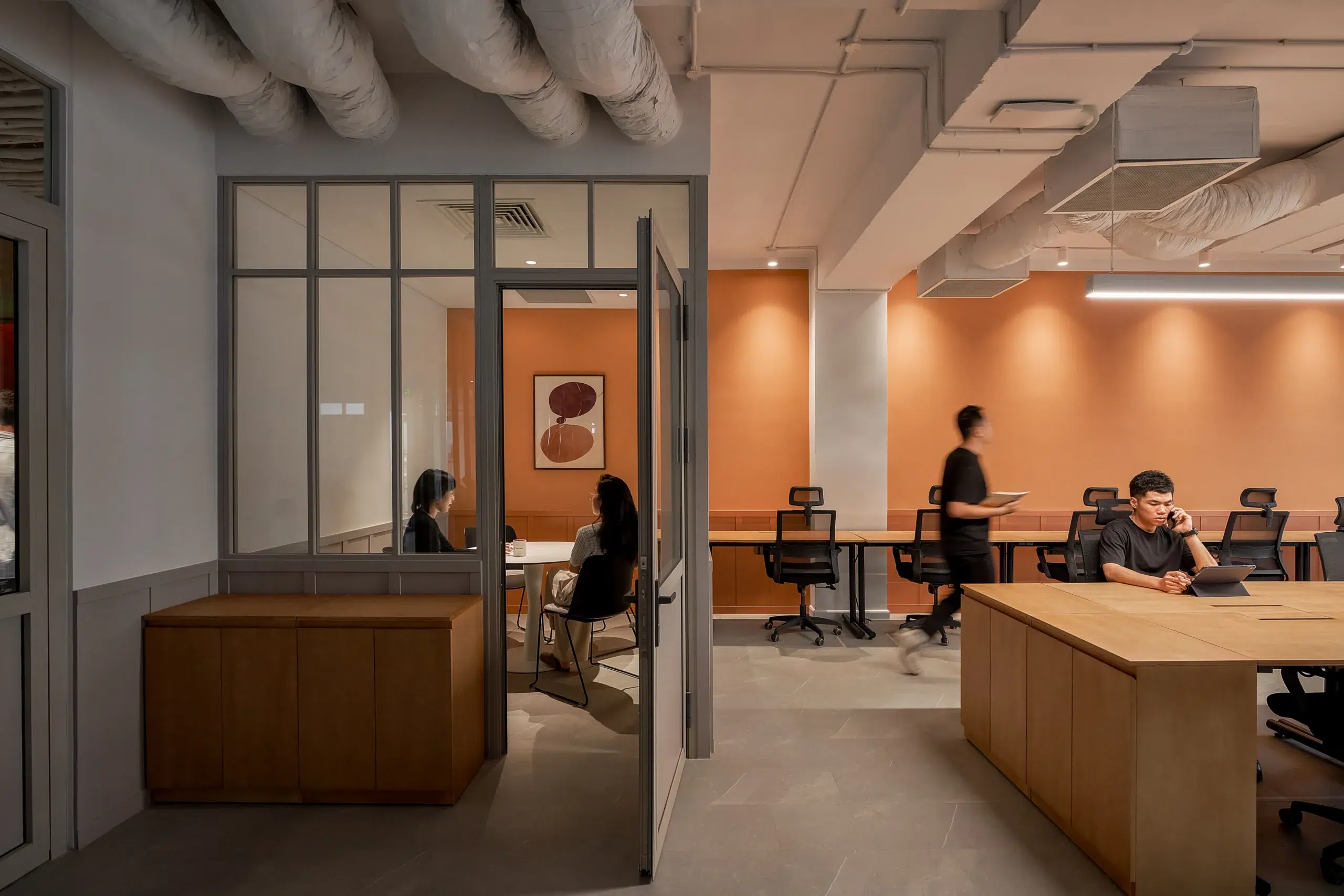
The clay-toned palette at Dreamplex Le Hien Mai was chosen for a specific reason: to create a sense of intimacy and maturity, while keeping the space relaxed rather than formal. That’s a harder balance than it sounds — too much neutral tone reads as cold, too much colour becomes distracting. Minimally processed materials like natural timber also reduce the chemical off-gassing and volatile organic compounds (VOCs) common in industrial finishes — a factor that directly affects indoor air quality, even though it rarely comes up in conversations about office design.
Recovery Space: Why a Good Office Needs Somewhere to Switch Off
Environmental psychology has a term for this: Attention Restoration Theory. The core idea is that sustained focus depletes cognitive resources, and exposure to nature — even briefly — restores those resources far faster than resting in an artificial environment does.
That’s precisely why the rooftop area at Dreamplex Le Hien Mai wasn’t designed as an overflow meeting room. The VMARK jury’s own description of the space calls it a place offering “a sense of privacy and tranquility, perfect for informal meetings or moments of restoration.” That’s deliberate design language, not marketing copy.
Most offices in Vietnam still treat recovery space as “wasted” square footage — the first thing cut when optimising for rentable area per square metre. Dreamplex bets the opposite way: an employee with somewhere to recover mid-day returns to their desk with meaningfully better focus than someone pushing through eight straight hours.
Designing for Multiple Generations, Not One Type of Worker
One of the most common wrong assumptions in office design: that every employee works the same way.
Dreamplex Le Hien Mai was explicitly designed for a multigenerational workforce — combining traditional work settings with flexible coworking zones inside the same building. Older employees may be used to fixed desks, quiet space, and clear boundaries. Younger employees may need flexible, movable areas suited to informal, fast-shifting group work.
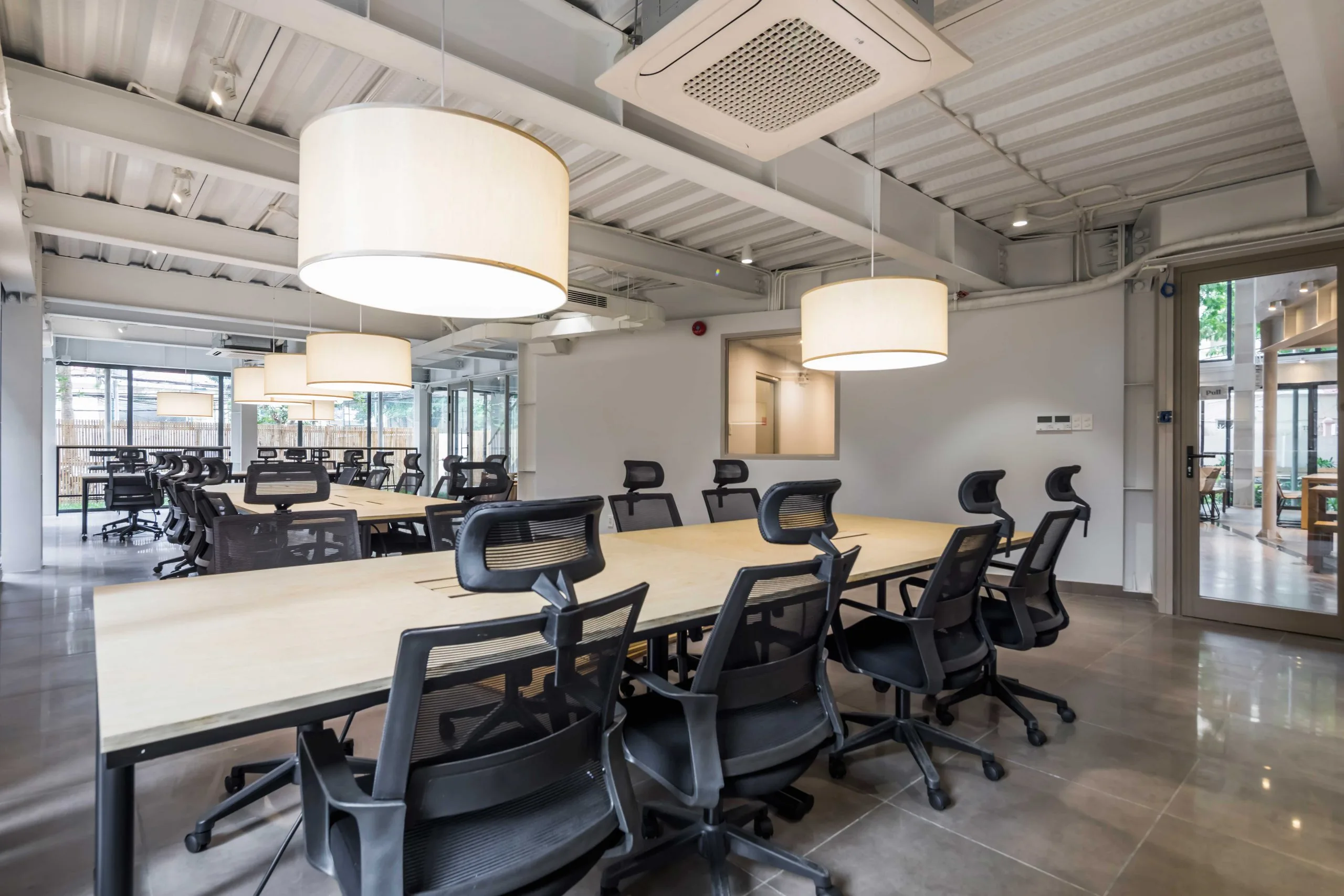
At Dreamplex Ngo Quang Huy, this principle showed up as 12 distinct working styles inside a single five-storey building — from private offices for four people to a full dedicated floor, alongside shared community space open to everyone. There’s no single “correct” answer for how people should work. There are multiple correct answers, coexisting in the same space.
Why This Matters to the Person Making the Decision
For a CEO, an HR lead, or a founder choosing office space for their team, the real question was never “does this look good.” The better question is: does this space help my team perform better, feel more stable, and actually want to come back tomorrow?
Office design and employee wellbeing aren’t two separate topics.
Light affects alertness. Materials affect stress levels. Recovery space affects whether focus holds up across a full day. Add it all up and you get something no rental price sheet captures: what it actually feels like to walk in every morning.
That’s why Dreamplex’s two design awards, five years apart, from the same architecture firm, deserve more attention than a standard press release gives them. They’re evidence of a philosophy tested over time — not a lucky one-off.
6 private office locations in Ho Chi Minh City and Hanoi


Meet our leaders
From founding Dreamplex in 2015 to continuously innovating what workplaces in Vietnam should look like, these are the leaders that are behind Dreamplex.

Nguyen Trung Tin
Founder & Chairman
In 2015, Tin noticed that the startup scene in Vietnam was about to hit a big boom, and that it would create the need for a new type of office space. After months of working alongside experts in their fields, the first Dreamplex was born. Two months later, it was sold out. Since, Tin has guided the development of Dreamplex to what it is today – and supports actively on its future.
Meet Tin

Jonah Levey
Board Member
Jonah’s entire career has been focused on finding ways to positively impact people, both personally and professionally. After founding and managing VietnamWork, he joined Dreamplex. Here, he answered the key question: “Why would the best talent choose to work at your company and not your competitor?” Helping our member companies answer this burning question is what excited Jonah to build Dreamplex.
Meet Jonah

Daan van Rossum
Board Member
Daan joined Dreamplex as a consultant, then as Experience Director, and eventually took the CEO role in August 2021. Coming from a UX background, his focus has always been about putting the employee at the center, and completely reinventing what it’s like to come at work. This resulted in Dreamplex deliver hybrid solutions that offer “A Better Day at Work.”
Meet Daan

Zoee Nguyen
CEO
Zoee oversees the delivery of our “Better Day at Work” across all of our 5 locations. Her team takes care of sometimes complex customer requirements and ensures their team loves coming to the office. She manages hospitality, facilities, and everything in between.
Prior to joining Dreamplex, Zoee ran the largest WeWork in Southeast Asia.
Meet Zoee
