


Coworking Space HCMC 2027: What C-Level Needs to Know Before Budget Season
Resolution 10-NQ/TW, issued 8 June 2026, shifts Vietnam’s FDI strategy toward selective, high-value sectors — raising the bar on what a credible office presence looks like. Grade A vacancy has fallen from roughly 20–22% in 2024 to 16.7% in Q2 2026, meaning the market is absorbing supply faster than earlier forecasts suggested. For companies planning 2027, coworking space HCMC and flexible office models continue to hold a clear advantage on cost and time-to-operational over traditional leases — though the negotiating window is narrowing faster than expected.
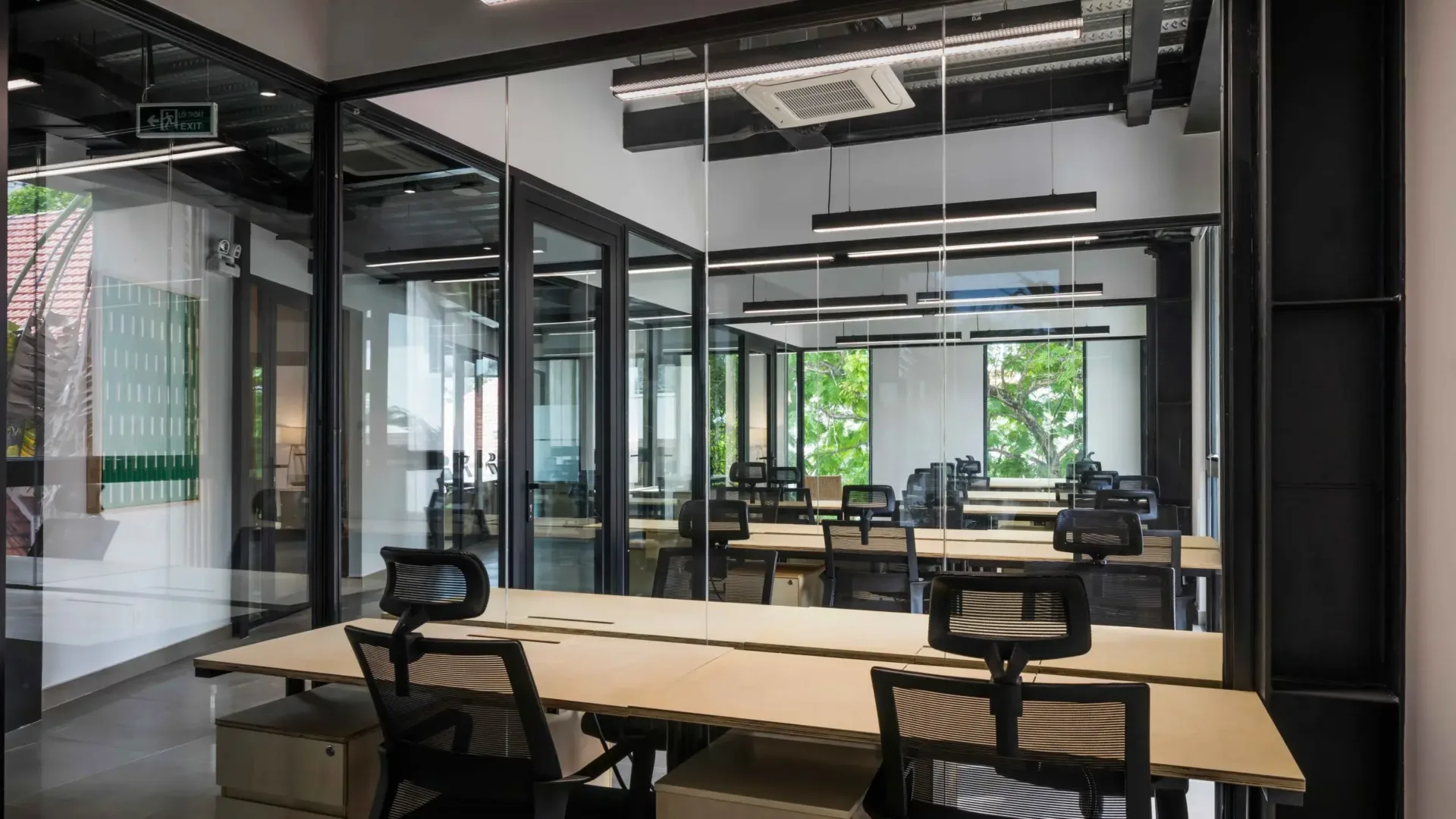
Eight months of 2026 are behind us. For most companies, 2027 budget season starts in a matter of weeks — typically September or October.
This is a different moment than the start of the year, when every projection was still a guess. There is now real first-half data, a new FDI policy on the books, and enough runway to see which office models have actually delivered.
The question for leadership is no longer “what will 2026 look like.” It’s “does our current office strategy still hold for 2027, based on what actually happened.”
For a growing number of companies, the answer is tilting toward coworking space HCMC and flexible models over continued long-term commitment.
Resolution 10 and the Flight to Quality
This is the single biggest factor missing from any forecast written earlier this year, and it has a direct bearing on 2027 office strategy.
On 8 June 2026, Vietnam’s Politburo issued Resolution 10-NQ/TW on developing the foreign-invested economic sector. The core shift: from broad-based FDI attraction to selective engagement in high-value sectors — semiconductors, artificial intelligence, big data, biotechnology, green industry, modern logistics, and financial services. The target for 2026 to 2030 is USD 200 to 300 billion in registered capital, roughly USD 40 to 50 billion annually.
The consequence for office strategy: companies in priority sectors are knowledge businesses competing for global talent. A workspace that reflects that positioning is no longer optional — it’s a competitive requirement.
Q1 2026 data already reflects this. FDI companies accounted for 82% of total leased office space in Ho Chi Minh City, against 18% for domestic firms — the highest concentration recorded in recent years.
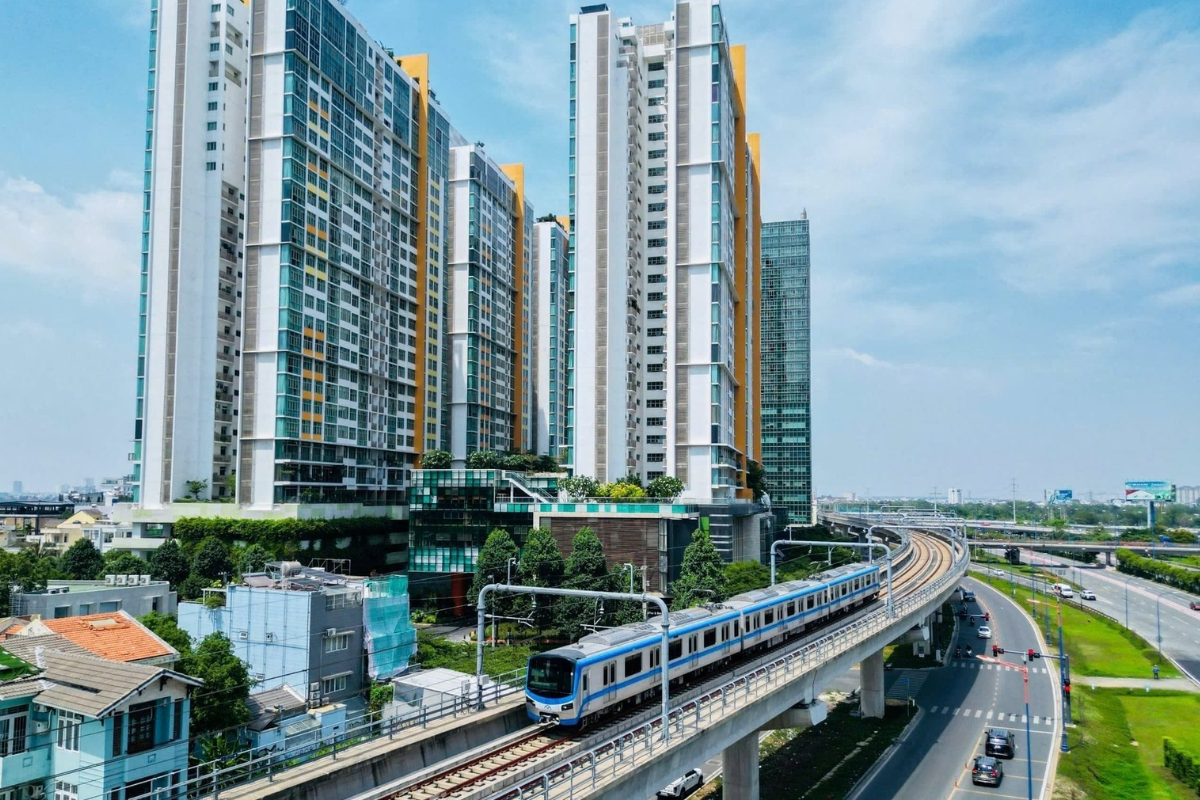
Coworking Space HCMC and Hanoi in H2 2026: The Real Picture
First-half 2026 data tells a different story from January’s forecast on one important point: vacancy is improving faster than expected.
Coworking Space HCMC: Still a Tenant’s Market, But the Window Is Narrowing
CBRE recorded Grade A vacancy in Ho Chi Minh City at 16.7% in Q2 2026 — down meaningfully from roughly 20–22% in 2024. That’s a market absorbing supply faster than the cautious forecasts from earlier this year suggested.
Savills recorded overall HCMC office occupancy at 88% in Q1 2026, with rents stable. Savills’ 2026 Global Occupier Outlook, published in January, named flexible workspace operators as a major driver of global letting activity this year — a notable validation for a model once treated as secondary.
What this means heading into 2027:
- The negotiating window remains open, but it’s closing. Savills projects roughly 403,000 sqm of additional supply through 2028, enough to sustain tenant leverage in the near term — but faster-than-expected absorption means this advantage won’t last indefinitely.
- Grade A rents are nearly flat — CBRE projects growth of just 0.4 to 0.5% in 2026, creating room to upgrade from Grade B to Grade A without a significant cost jump.
- Coworking space HCMC has become the default choice for companies wanting to avoid long-term commitment while the market continues to adjust.
Coworking Space Hanoi: Strong Absorption, a Race on Speed
CBRE reports Hanoi continuing to absorb new supply effectively, with Grade A occupancy holding above 85%. Demand concentrates in high-quality space in the central and western districts.
In a market absorbing this quickly, the advantage belongs not to whoever pays the highest rent, but to whoever can decide and move fastest. A traditional office strategy — six to nine months for search, design, and fit-out — means losing the best locations before the lease is even signed.
Three Structural Trends Shaping Coworking Space HCMC 2027
Beyond the rental cycle, three structural shifts are reshaping workplace strategy. These bear on the choice between coworking space HCMC and a traditional lease.
1. ESG Is No Longer Optional — It’s a Bottom-Up Requirement
ESG requirements no longer originate with the board or investors. They come directly from tenants and employees.
JLL’s 2025 survey found 78% of multinational tenants in Vietnam list green certification (LEED, LOTUS) as “mandatory” or “highly important” when renewing a lease. KPMG ranks Vietnam among the top five fastest adopters of sustainability-led projects in ASEAN.
For companies in Resolution 10’s priority sectors, meeting ESG standards isn’t just compliance — it’s a condition for retaining partners and clients with global sustainability commitments.
2. Employee Experience Now Determines Retention
The competition for talent no longer happens over a pool table. It happens in the daily experience of the workplace.
Knight Frank’s 2025 Workforce Sentiment survey found 82% of Gen Z employees in Vietnam rank office experience as a top factor in staying with a company. Deloitte separately found 71% of young professionals say workplace design directly affects their motivation.
For 2027 budgets, this is the concrete argument for HR: workspace is no longer a pure operating cost. It’s a measurable retention tool.
3. Coworking 2.0: When Flexible Becomes the Standard, Not the Exception
Hybrid work has permanently changed the purpose of the office. It is no longer where people clock eight hours. It’s a destination employees actively choose to visit — for collaboration, culture, and connection.
This has produced a new generation of space — “Coworking 2.0” — distinct from the traditional coworking model:
- Modular furniture reconfigurable within hours for different projects
- Boutique-grade design that feels closer to a hotel than a desk farm
- Fully integrated services — workshops, networking events — as core to the experience, not add-ons
JLL projects flexible workspace penetration in Asia-Pacific rising from 3.5% to 5–6% by 2027, with CBRE recording 12% year-on-year growth in Vietnam’s service-integrated coworking models. This isn’t a passing trend — it’s a structural shift in how companies think about coworking space HCMC.
The Real Cost Behind 2027 Budget Planning
For 2027 budgeting, specific numbers matter more than general trend lines.
Cushman & Wakefield’s 2026 Fit Out Cost Guide places average new office fit-out costs in HCMC at approximately USD 657 per sqm, and roughly USD 344 per sqm for renovating existing space — both among the lowest in Asia-Pacific. For a 200 sqm office housing about 20 people, that’s over USD 130,000 in fit-out capital — money that doesn’t return at lease end, and doesn’t exist at all under a coworking space HCMC or serviced model.
Against a traditional lease’s three to five year commitment and three to six month deposit, coworking and serviced models keep capital available for core operations while still delivering the location and standard a company’s brand requires.
The 2027 Office Budget Strategy
H1 2026 data and the three structural trends above point to one conclusion: the traditional five-year, CAPEX-funded lease is becoming a financial liability rather than an advantage.
The optimal strategy for 2027 centres on a flexible model, allowing companies to:
- Optimize cost (the CFO view): capture the negotiating window still open in HCMC, avoid CAPEX exposure entirely, and shift to an OPEX structure that scales with actual headcount
- Meet ESG and speed requirements (the CEO view): operate immediately in green-certified space without capital investment — particularly relevant for companies in Resolution 10’s priority sectors
- Build employee experience (the HR view): deliver a Coworking 2.0 environment — professional, flexible, human-centered — as a measurable retention tool
Vietnam’s office market in H2 2026 presents a specific window: Grade A rents nearly flat in HCMC, Hanoi absorbing quickly but rewarding speed, new FDI policy raising the bar on space quality, and coworking space HCMC having proven its value across a full market cycle rather than remaining a theory.
For companies locking 2027 budgets in the coming weeks, this is the data to decide from — not the forecast.
Dreamplex runs five locations in Ho Chi Minh City and one in Hanoi. The range covers coworking and dedicated desks through to private serviced offices for teams of 2 to 150. Terms start at one month and arrive as one monthly invoice.
Dreamplex Tran Quang Khai residents the Tan Dinh are, neighboring Binh Thanh, Phu Nhuan without the traffic bottlenecks. Dreamplex Private Tran Quoc Toan has the most executive vibe with private whole floors and dedicated lift access, for teams arriving at 30 people or more. Dreamplex Ngo Quang Huy and Dreamplex Le Hien Mai both won VMARK Design Award, offering unique vibes that gracefully marry boutique aesthetics with productivity and work experience.
The Member Experience team handles reception and facilities, along with the connectivity issues that eat an admin manager’s week. That keeps the administrative load away from your leadership.
The right coworking space HCMC option is rarely the cheapest one on the list, and rarely the largest. It is the one that lets the team work from week one and lets the company change its mind at a sensible cost.
Ready to Scale Your Business for 2026?
- Book a Tour → Experience how Dreamplex helps enterprises reduce cost per employee while enhancing daily performance.
- Join Our Leadership Roundtable → “AI Teams, Human Workplaces: The New Balancing Act.” Learn how Vietnam’s top leaders are designing offices that scale with technology — and still put people first
Contact Dreamplex for a free consultation and explore special offers this month:
- Hotline: +84 909 90 34 99
- Email: sales@dreamplex.co
Dreamplex – Creating workspace that grows with your business
Private when you need focus. Open when you need energy. Human, always.
We create “A Better Day at Work” that perfectly meets the needs of fast-growing companies that understand that their young employees expect more from their workplace.
Well-designed private, branded offices, 5-star hospitality-level care, and a savvy c help those companies attract, engage, and retain Millennial and GenZ talent in Vietnam.
Dreamplex has 5 locations in Ho Chi Minh City, 1 in Hanoi, and looks to expand further in 2026 to create a better workplace for even more people-centric companies and their employees. Companies like Tiki, AIA, Sky Mavis, Samsung, and more trusted Dreamplex to offer the best office for their teams.
WE CREATE BETTER DAYS AT WORK.
